Moderate
Moderate About this route
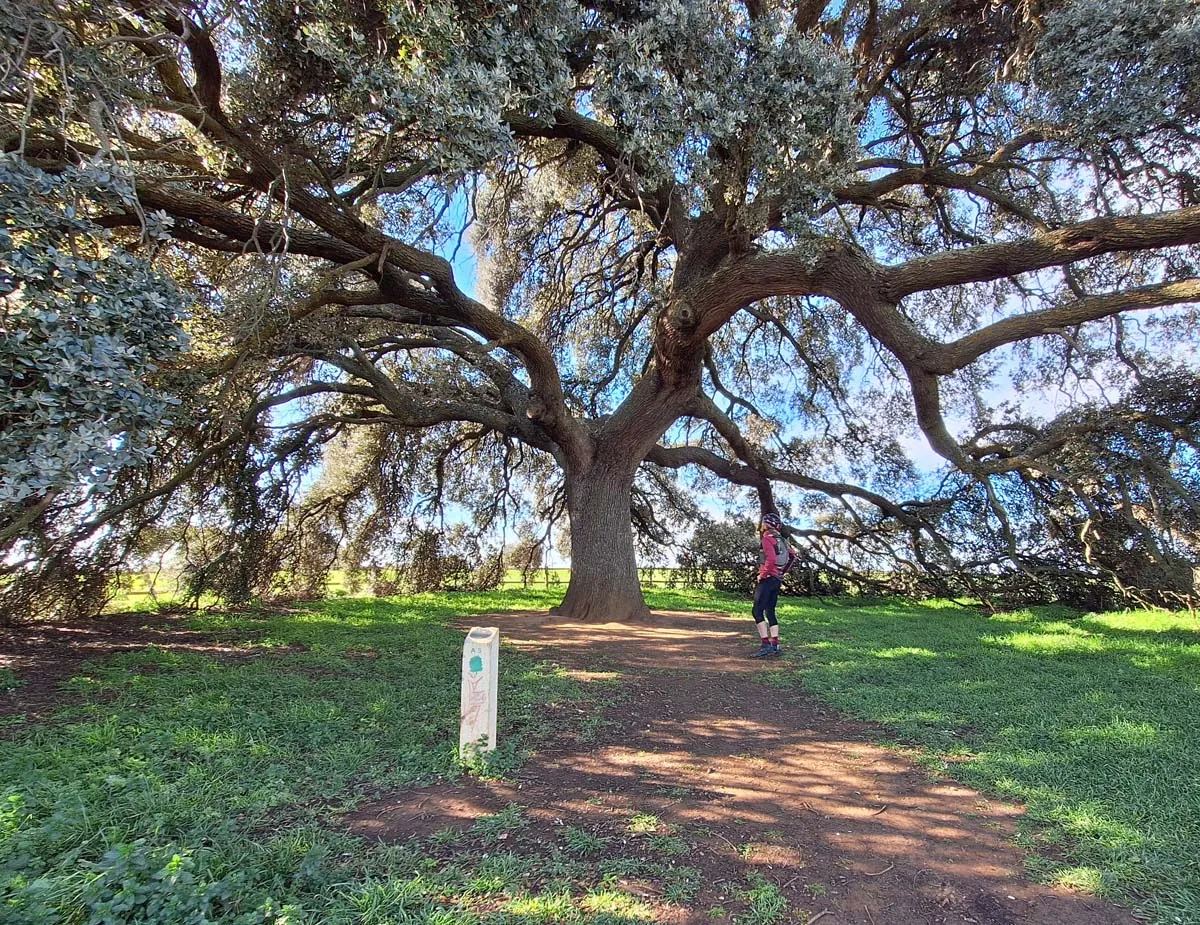
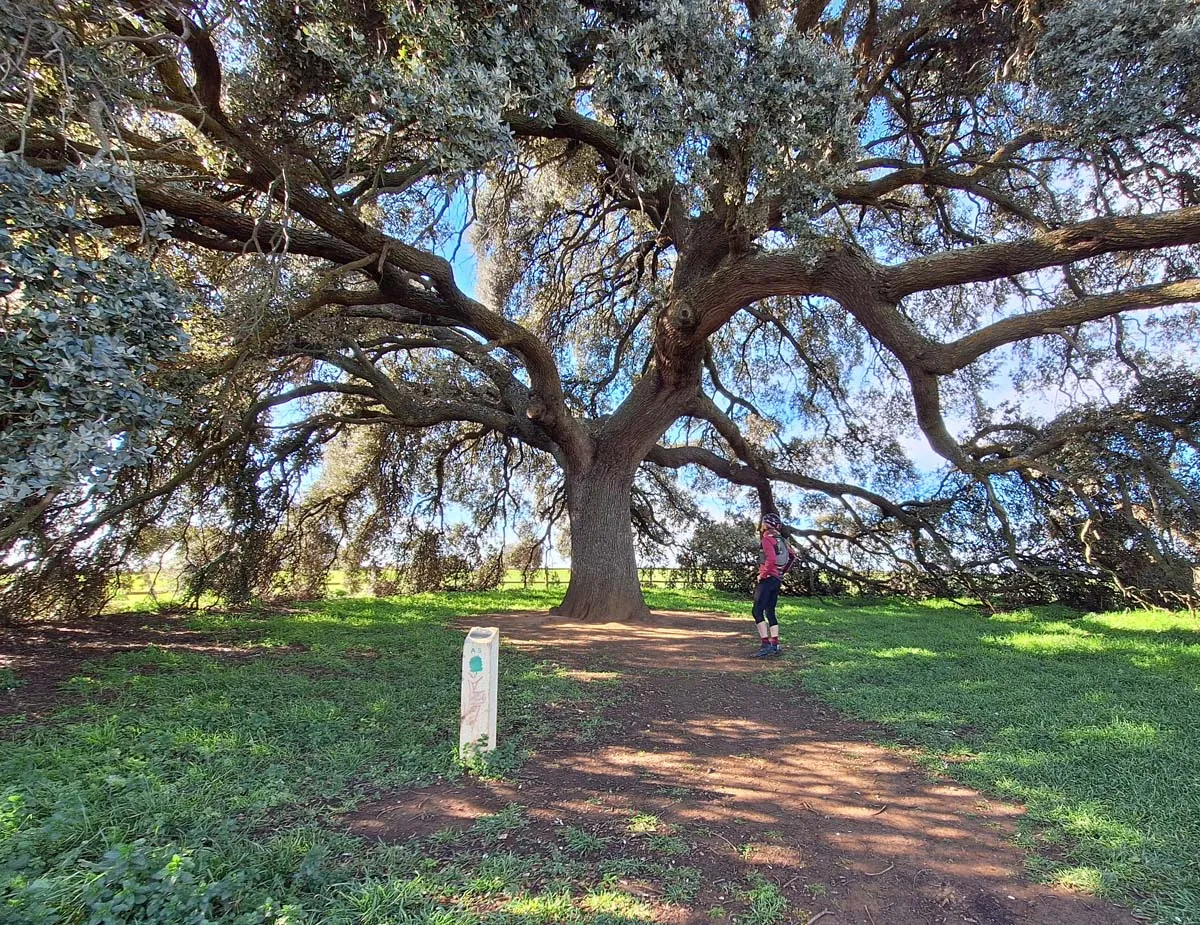
An interesting cycling tour to discover the colorful contrasts and environmental wonders between the fertile landscapes of floodplain and riverbank in Ambite and Orusco de Tajuña, with the plains of the high steppes, cultivated with fields of olive trees, vines, and cereals among hills of Mediterranean forest that preserve authentic natural jewels, such as the monumental holm oak of La Pica, in the municipality of Olmeda de las Fuentes, planted in the late 18th century and declared a singular tree by the Community of Madrid.
And it is not the only cataloged holm oak on the route. At the beginning of the path, during the crossing of the steep urban area of Ambite, the Holm Oak of Ambite appears next to the building of the Palace of the Marquis of Legarda, another splendid centenary specimen included in the list of singular trees of Madrid. The path ascends along the livestock route of Cordel de las Merinas towards the agricultural plains of Olmeda de las Fuentes and connects with the Cordel de la Pica, another of the pastoral routes used for centuries to move herds through the region's pastures.
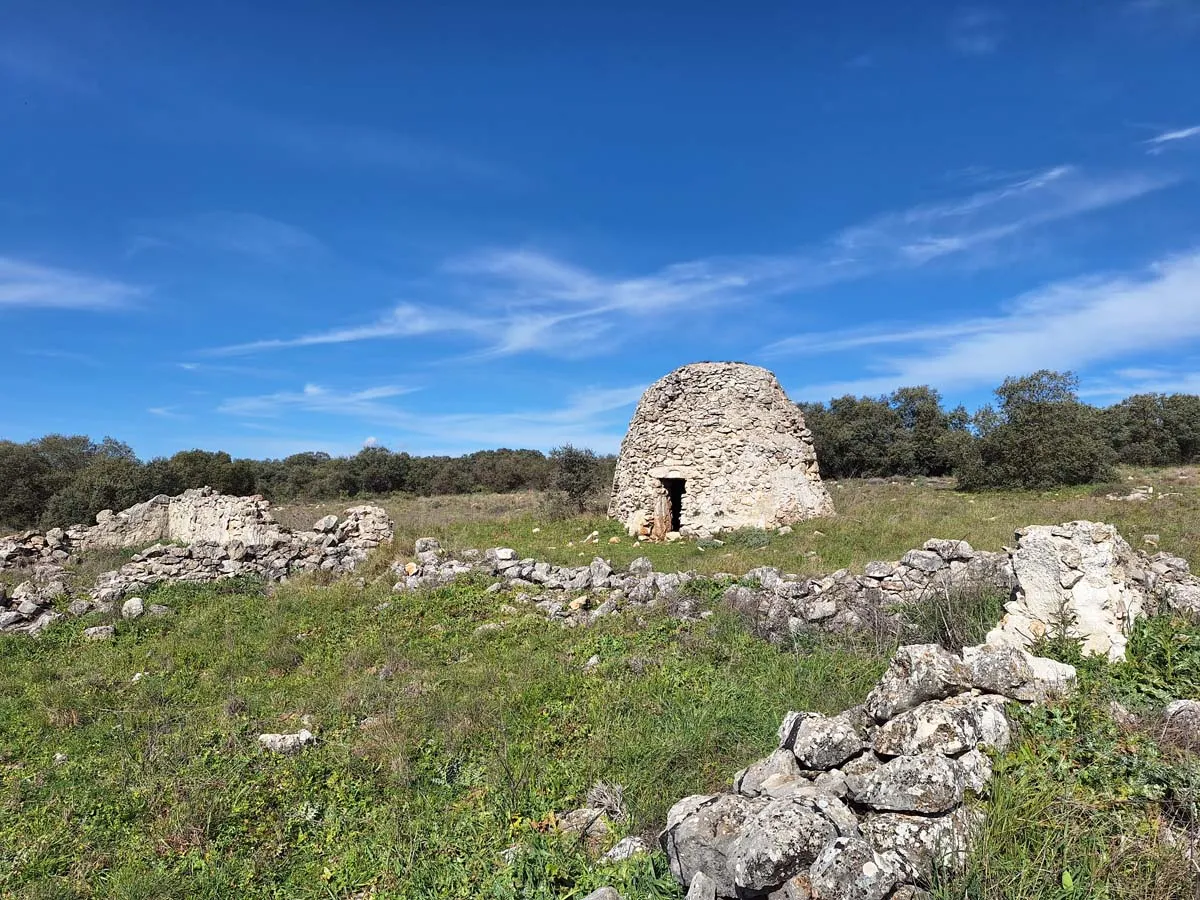
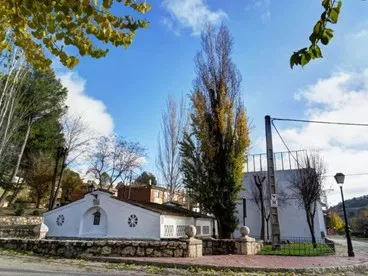
The local routes of Villar del Olmo are indicated with yellow blocks on the road shoulders throughout the municipality with the names of the outstanding places. One of the main points of interest on the route, marked with a yellow marker, is the Calera del Llanillo, a showcase of tradition and popular culture. The colorful urban ensemble can also be appreciated, where there is another singular tree next to the monumental Fountain of San Isidro, in this case, a poplar. New signs appear at the intersection with the Train of the 40 Days and the interesting site where the ethnographic ensemble of the Chozo de los Castaños and the Calera del Camino de Orusco is located.
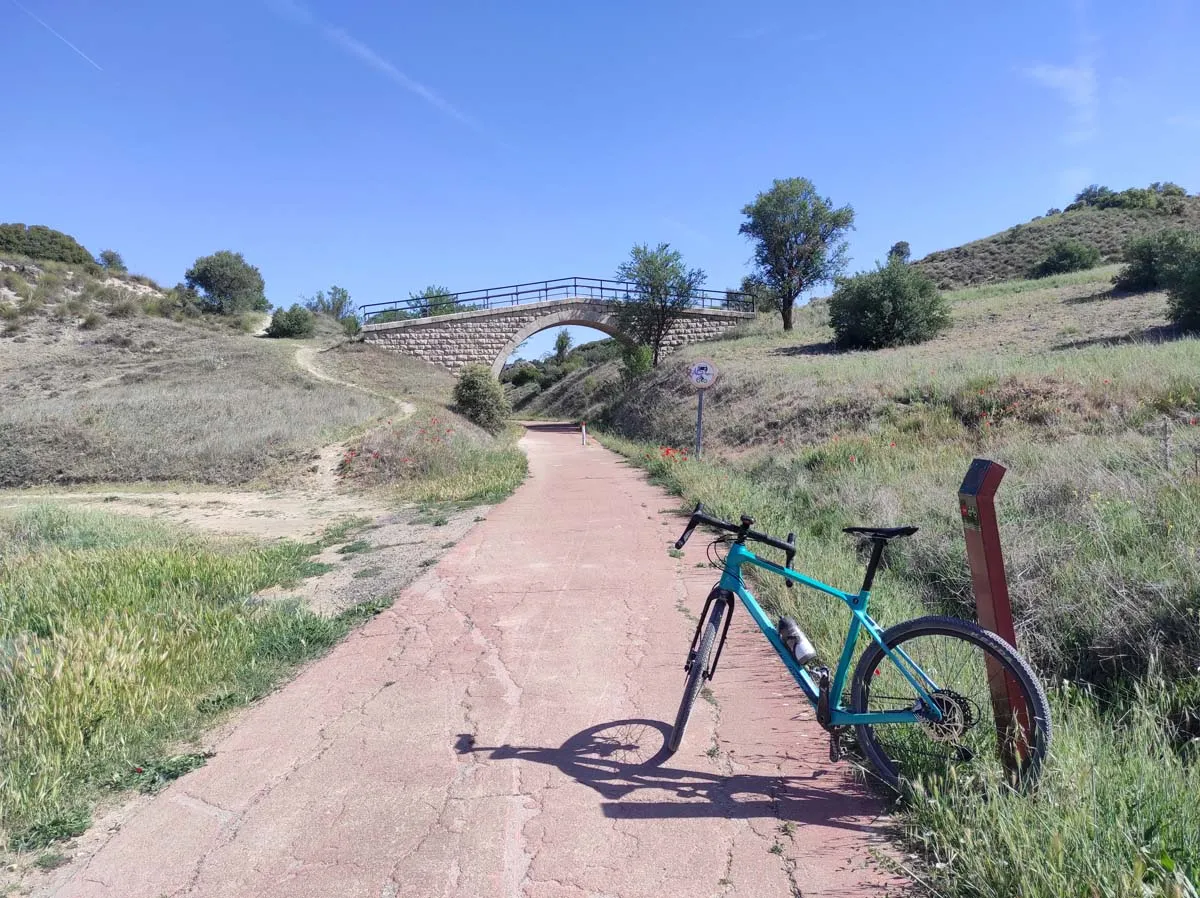
Part of the route runs along the Greenway of Tajuña and there is an opportunity to visit the Weir of the Upper Mill, one of the first irrigation dams built in the course of the Tajuña when it enters the province of Madrid.

Mapa interactivo proporcionado por
Wikiloc open_in_newRoute gallery
Moments captured by our community.
Points of interest on the route
Discover unique places to stop and enjoy.
forest Naturaleza Encina de Ambite
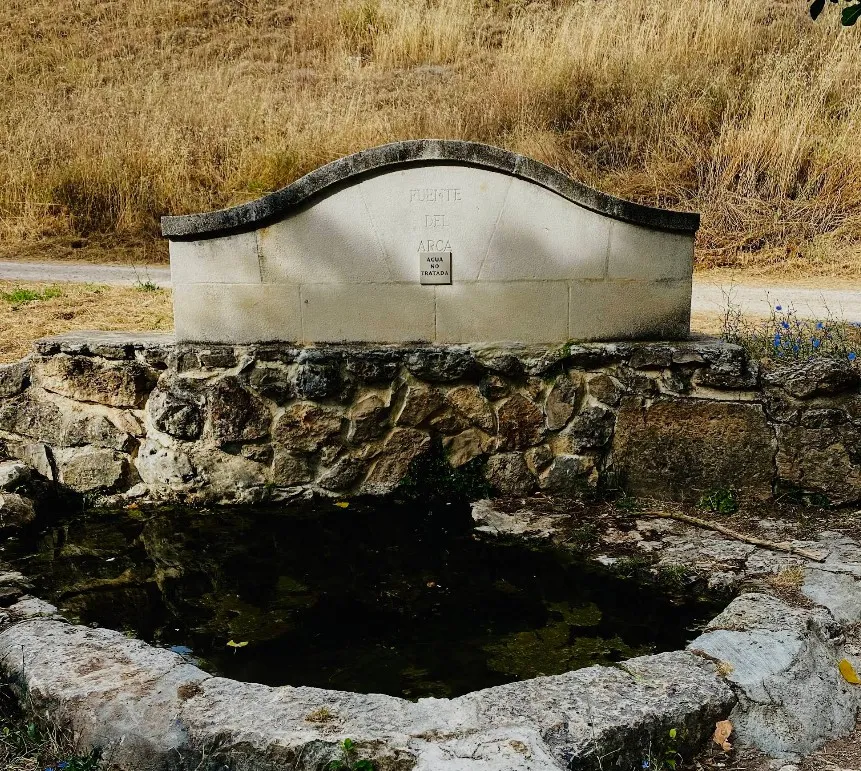
The beautiful Fountain of the Ark is one of the historical fountains of the Tajuña valley, it is located at the Cordel de las Merinas crossing, a notable livestock route during the transhumant period, and for centuries it was one of the main sources of drinking water for the population of Ambite. The basin is a small aquatic garden, it is in a pleasant setting of poplars, fig trees, willows, elms, and plants associated with the springs, such as the water fern, a fern exclusive to the region.
water_drop Agua Ark Source
The beautiful Fountain of the Ark is one of the historical fountains of the Tajuña valley, it is located at the crossing of the Cordel de las Merinas, a notable livestock route during the transhumance period, and for centuries it was one of the main sources of drinking water for the population of Ambite. The basin is a small aquatic garden, it is situated in a pleasant setting of poplars, fig trees, willows, elms, and plants associated with the springs, such as the well fern, a fern exclusive to the region.
forest Naturaleza Ancient Holm Oak
Ancient Holm Oak
forest Naturaleza Poplar of the Fountain of Saint Isidro
Located next to the San Isidro fountain, there is one of the unique trees of the Community of Madrid. A specimen of Lombardy poplar over 70 years old that has legal protection due to its characteristics and age. It stands 30 meters tall with a trunk over 3 meters that makes the diameter of its crown reach 6 meters.
forest Naturaleza Merino Cordel
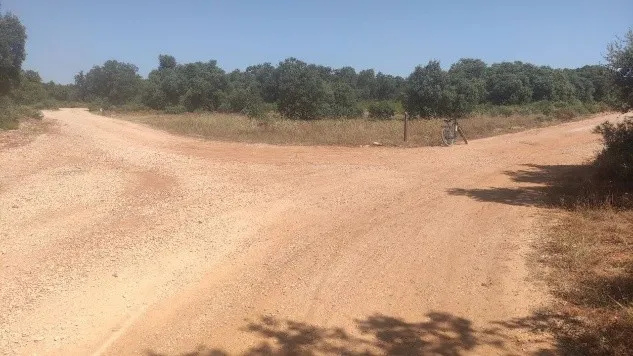
. The livestock route of the Cordel de las Merinas is one of the secondary grazing paths traditionally used by transhumant herds between the plateaus of Pezuela de las Torres and Olmeda de las Fuentes, in the Alcarria region of Madrid, and the Cañada Real Soriana Oriental, crossing the valley of the Tajuña River through the vega of Ambite. The pastoral paths preserve the heritage of an activity that marked the rhythm of rural life in Castile since the creation of the Council of the Mesta by Alfonso X the Wise in the 13th century.