Turicleta
Route 7 Vega del Tajuña - Morata de Tajuña
Easy

Route 7 Vega del Tajuña - Morata de Tajuña

Morata de Tajuña, Comunidad de Madrid
31.2km Distance
2h 50min Duration
697m Max altitude
e-Bike Type

About this route

Warning: shared space with motor vehicles.

The route runs through the Tajuña River Valley, known as the Garden of Madrid, a historic agricultural landscape linked to the traditional crops of Morata and Perales and the development brought by the Arganda railway in the early 20th century. The valley retains a strong rural and peasant character, reflecting the ancient ways of life of the Las Vegas of Madrid.

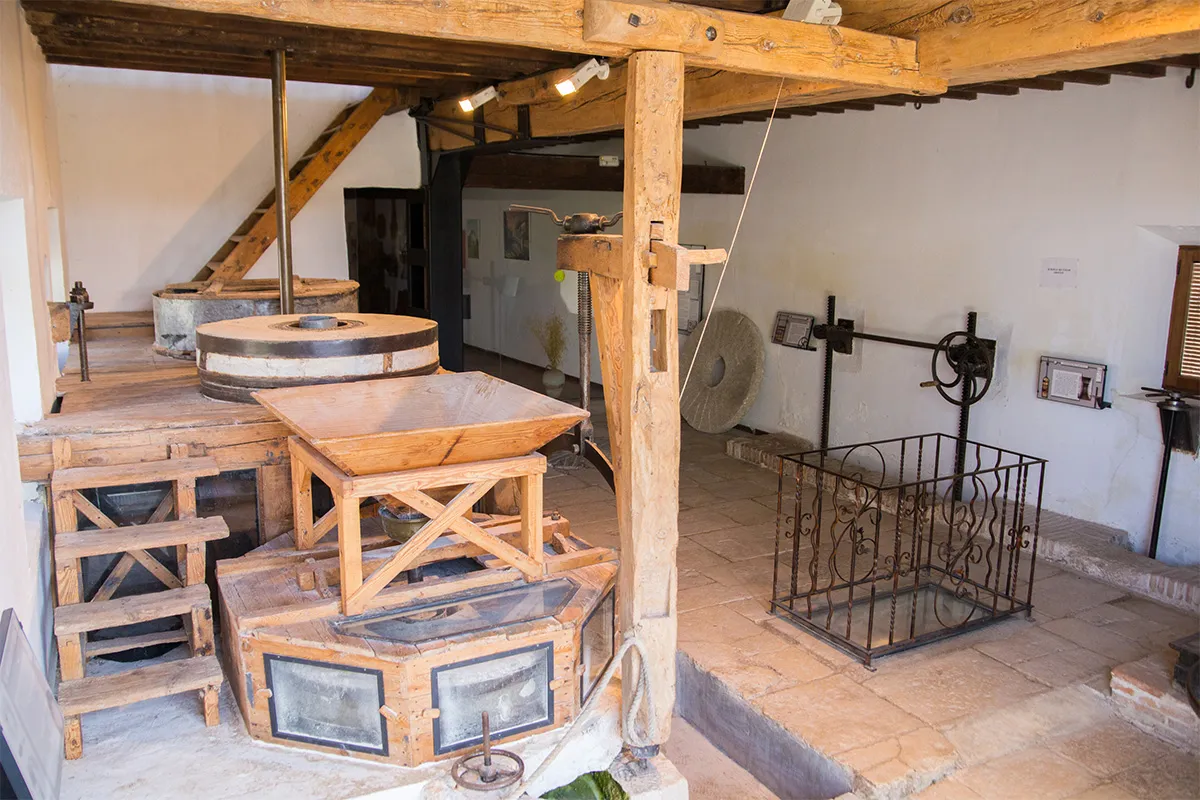
The cycling itinerary allows you to learn about the traditional irrigation systems, mills, and other elements of the ethnographic heritage, highlighting the proximity of the Museum of Milling at the Huerta Angulo Mill.

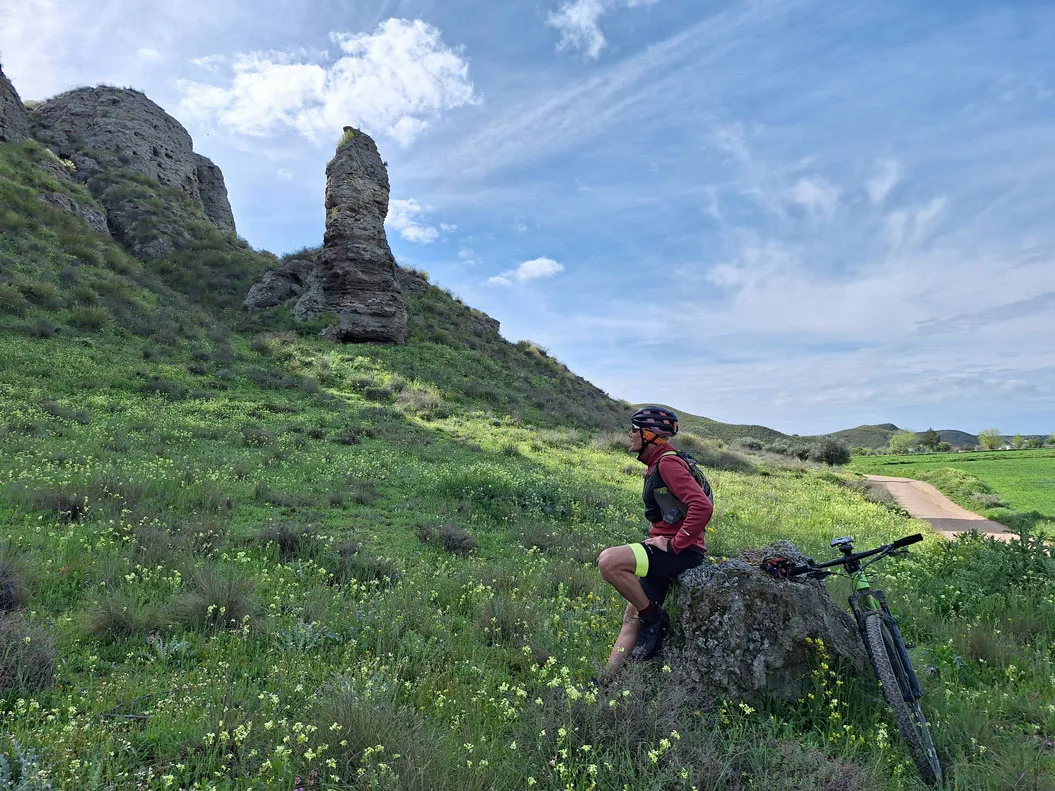
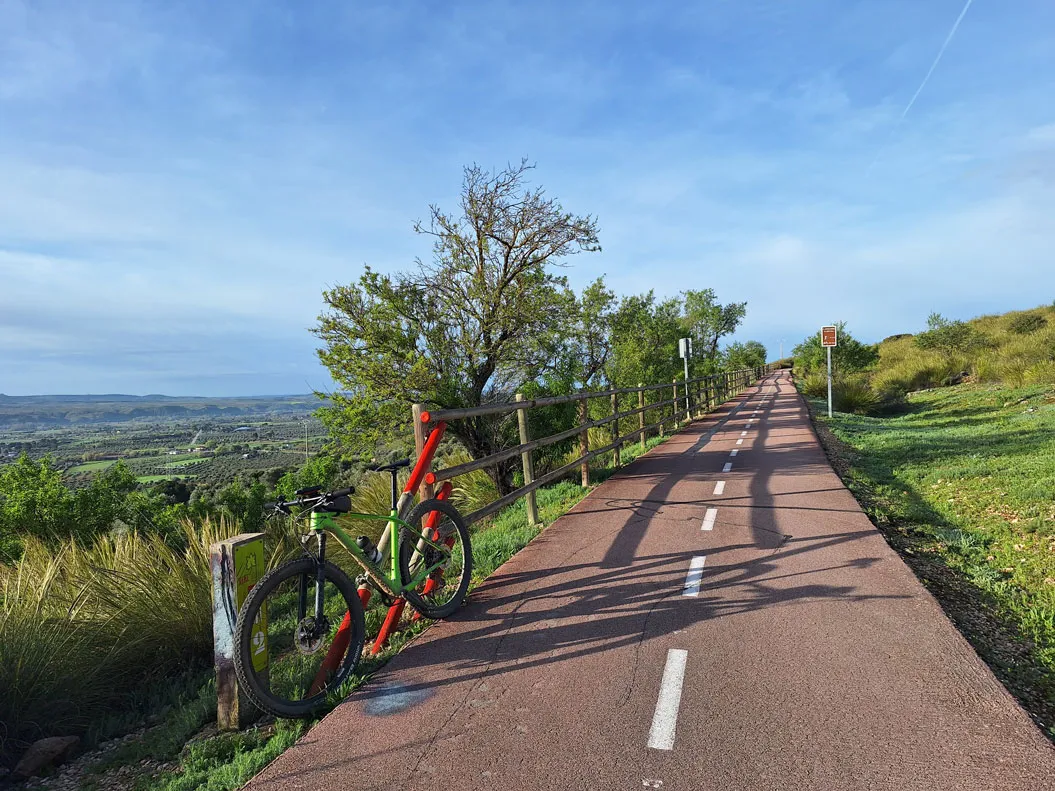
The route begins at the bike station of Morata de Tajuña, follows the path of the old railway and the Cordel de la Galiana, with wide views of the Madrid valley and points of historical interest linked to the Civil War, such as the Suicide Hill. The route descends to the vega via the Camino de San Galindo and the Camino de los Molinos, continues along the Colada Cochinera, visits the gypsum cliffs and the monolith of El Fraile, and ends near the Isla Taray, following the course of the Tajuña River.

Types of path:

  1. Path: 22.5 km
  2. Cycling lane: 3.65 km
  3. Road: 3.03 km
  4. Street: 1.18 km
  5. National road: 0.65 km
  6. Other routes: 0.54 km
touch_app
Toca para interactuar Usa dos dedos para hacer scroll

Mapa interactivo proporcionado por

Wikiloc open_in_new

Route gallery

Moments captured by our community.

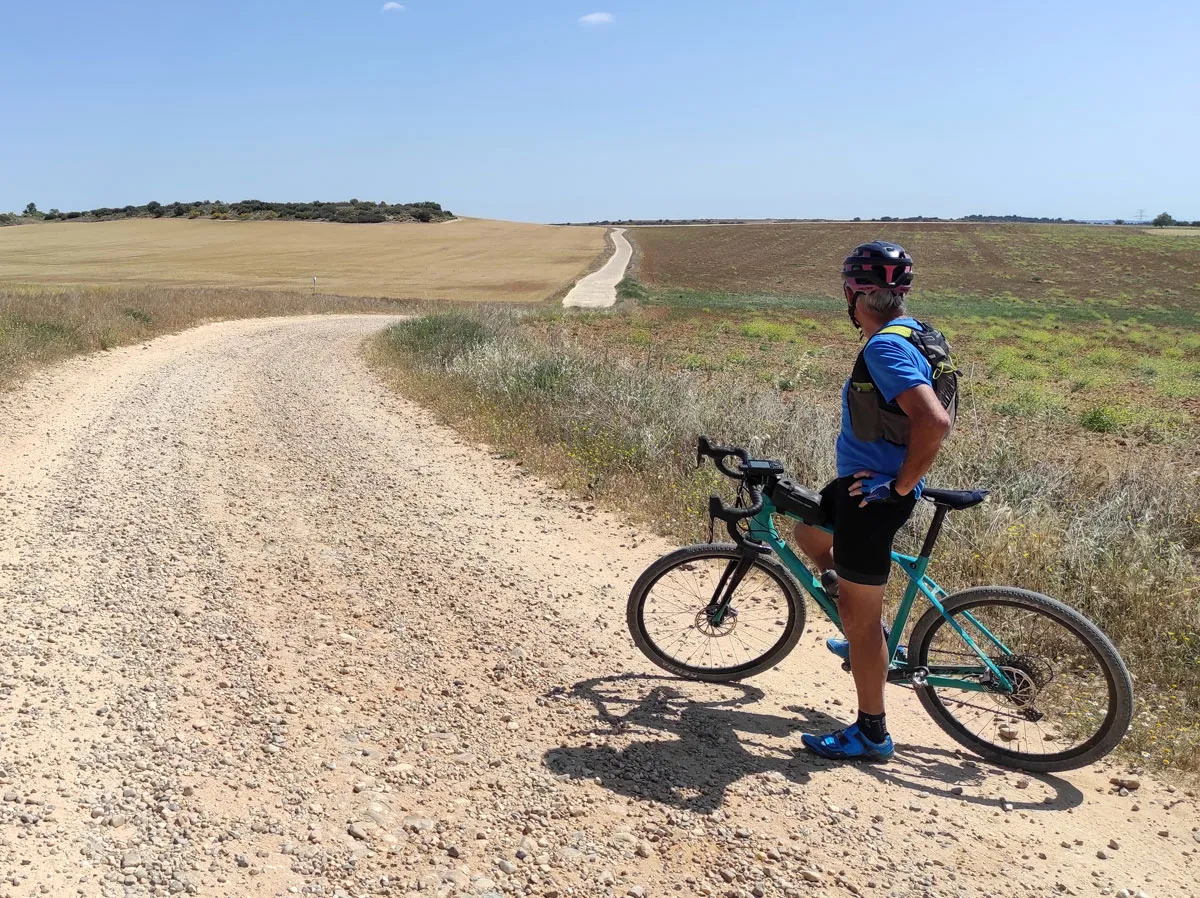
Route 7 Vega del Tajuña - Morata de Tajuña - Image 1
Featured Route 7 Vega del Tajuña - Morata de Tajuña
Route 7 Vega del Tajuña - Morata de Tajuña - Image 2
Route 7 Vega del Tajuña - Morata de Tajuña
Route 7 Vega del Tajuña - Morata de Tajuña - Image 3
Route 7 Vega del Tajuña - Morata de Tajuña

Points of interest on the route

Discover unique places to stop and enjoy.

Mill Museum castle Edificio

Mill Museum

In the valley of Tajuña, at least since the 12th century, the existence of an important network of hydraulic flour mills that ran along the natural course of the river is documented, and which remained active until the sixties of the last century. The Molino de la Huerta de Angulo is one of these mills of Tajuña that, for centuries, supplied flour to the towns of Las Vegas. The current building dates back to the early 18th century, although the existence of an earlier structure that could date back two centuries before is suggested. The Museum is divided into two floors filled with machinery, elements and milling tools, and explanatory panels of the process of its operation. Once the wheat is introduced between the grinding stones, protected by the dust cover to prevent spillage, the incisions made in the upper part directed the ground wheat towards the exit and to the harnal or directly to a bag or sack.

Suicide Hill place Otro

Suicide Hill

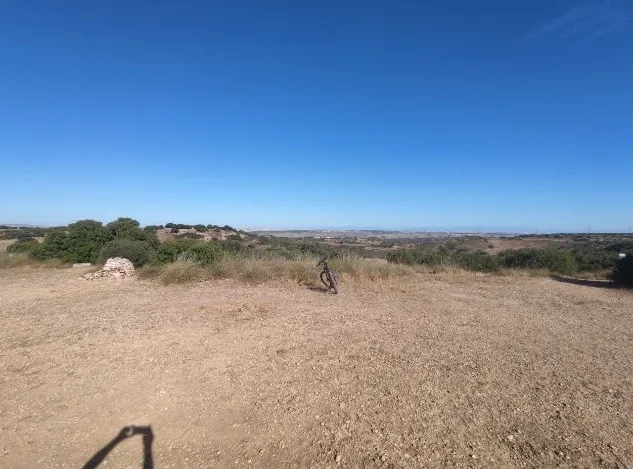
The simple stone landmark of Suicide Hill, also known as Suicide Hill, recalls a decisive military enclave of the Spanish Civil War on the front of the Battle of Jarama, between February 12 and 17, 1937, when several groups of English and French brigadistas supporting the republican front in the siege of the city of Madrid were annihilated. The cycling route leaves the war scenarios of Cero Pingarrón and descends towards the peaceful plain of the Tajuña River through the hills of the Jara Alta stream.

Vega del Tajuña forest Naturaleza

Vega del Tajuña

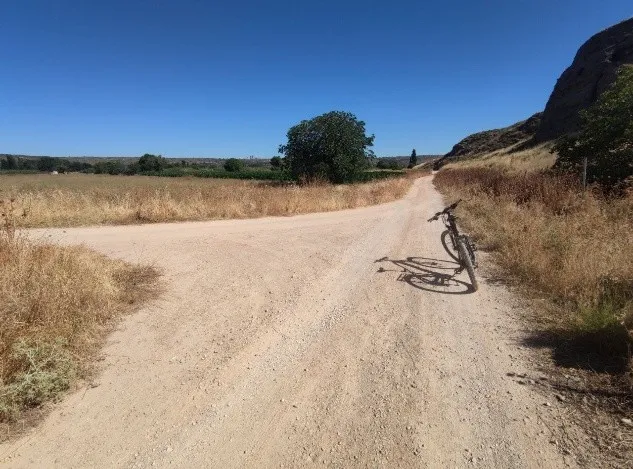
The cycling route runs through the valley of the Tajuña River along the livestock path of the Camino de los Molinos, at the foot of the cliffs of gypsum and ash-colored marls that form the unique slopes of the fertile river corridor before flowing into the Jarama River. The tower of the Risco del Fraile stands out on the walls of the cliffs. The curious pinnacle is isolated from the ravines; it is the result of significant environmental erosion that has shaped the tower of gypsum crystals on the slope of the valley. The comfortable path continues through the valley of crops.

forest forest Naturaleza

Palomar de la Estacada

. The building is an old disused pigeon loft built in the late 18th century, during the peak agricultural and peasant development in the three valleys of the Madrid Las Vegas. The breeding of pigeons was a common activity in the rural environment until a few decades ago for food and the use of pigeon droppings, called palomina, in the fertilization of fields and gardens. The building has a circular plan, tiled roof, and the interior features two concentric rings. The pigeon loft is in poor condition and it is not advisable to enter.

forest forest Naturaleza

Taray Island

The Taray Island complex is a group of historic buildings. Over the last three centuries, the facilities have been a watermill, a fulling mill for fibers and fabrics, a cloth factory, a hydroelectric power station, a paper mill, and currently houses a nursing home. In the meander of the river is the irrigation canal of the old mill, and in the gardens, there are monumental trees, some included in the catalog of Singular Trees of the Community of Madrid. The residential complex is an interesting example of civil architectural heritage in Morata de Tajuña.