
 Moderate
 Route 8 Vega del Tajo - Valdelaguna
Valdelaguna, Comunidad de MadridRoute 8 Vega del Tajo - Valdelaguna
Valdelaguna · Comunidad de Madrid 34.8km Distance
2h 50min Duration
786m Max altitude
e-Bike Type
Moderate Important to indicate: Warning: shared space with motor vehicles.
Valdelaguna is a “viewpoint population” on the slope of the stream of La Veguilla, the streets are tiered on the edge of the agricultural moor and serve as balconies overlooking the deep and fertile valley of the village as it stretches towards the great valley of Tajuña. The cycling route departs from the urban area and showcases interesting environmental contrasts between the mountains of Mediterranean scrub on the Path of the Acebrones, the vineyards and olive groves in the moors of Villarejo de Salvanés, and the hills of esparto grass that appear at the entrance of the historic valley of San Pedro, the route of an ancient Roman road and a major trade route for centuries between the towns of the Tagus and the city of Madrid.
The Tower of Tribute of Villarejo de Salvanés highlights the military, historical, and social power that the population has had in the region. The unique fortress is the remnant of the castle that was the seat of the Order of Santiago, each floor contains a thematic exhibition that completes an interesting and pleasant walk through history.
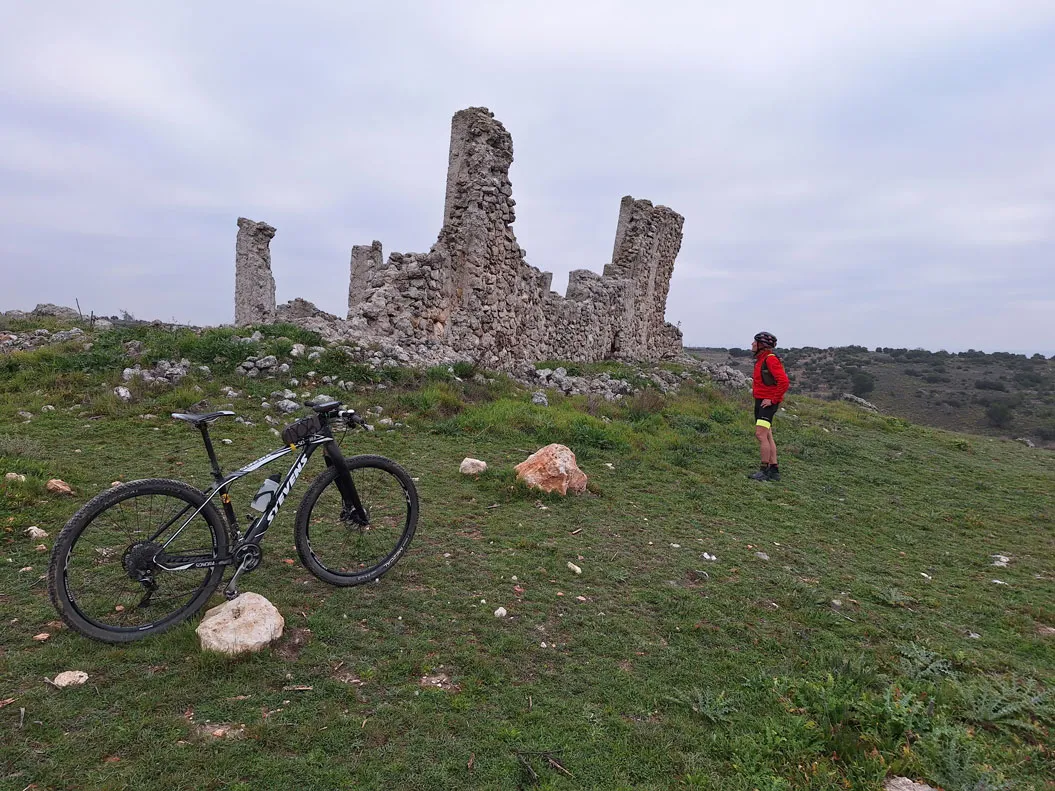
The route ends in the vicinity of the archaeological site of Santa María and the ruins of the Peirones de Santa María, inhabited since the Bronze Age in a landscape of hills of esparto grass, fig trees, olive trees, almond trees, and remains of medieval caves, places with a notable historical value in the origins of the population of Villarejo de Salvanés.
Types of path
Mapa interactivo proporcionado por
Wikiloc open_in_newMoments captured by our community.
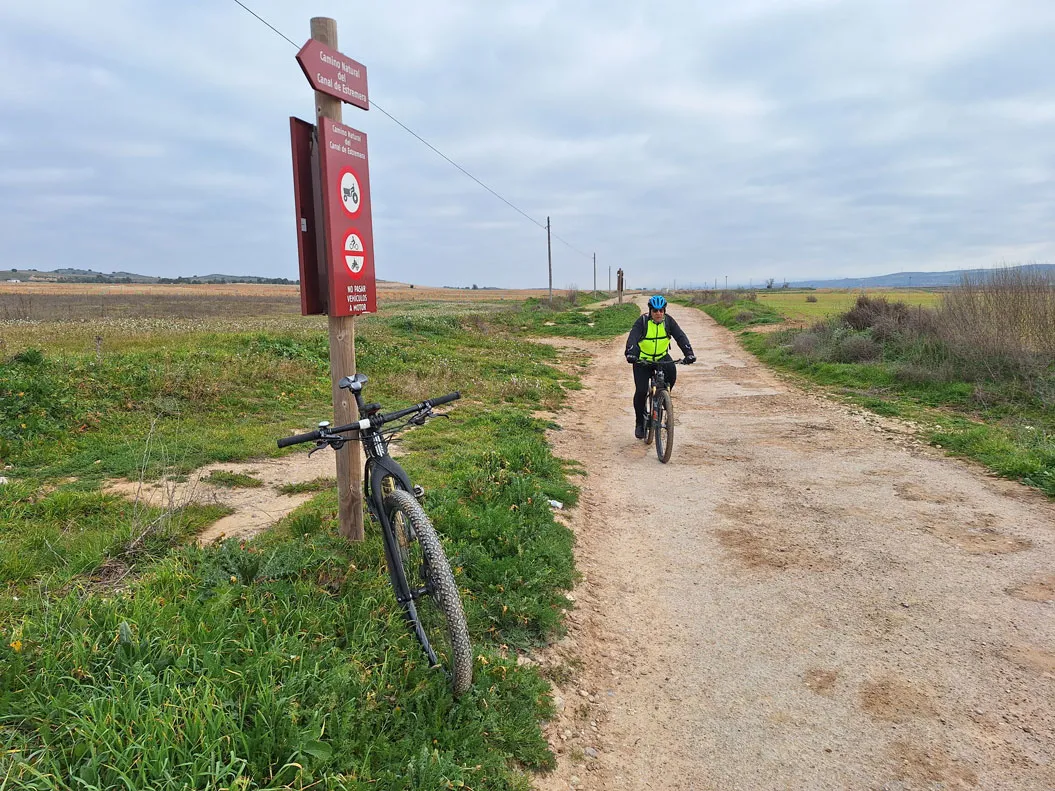
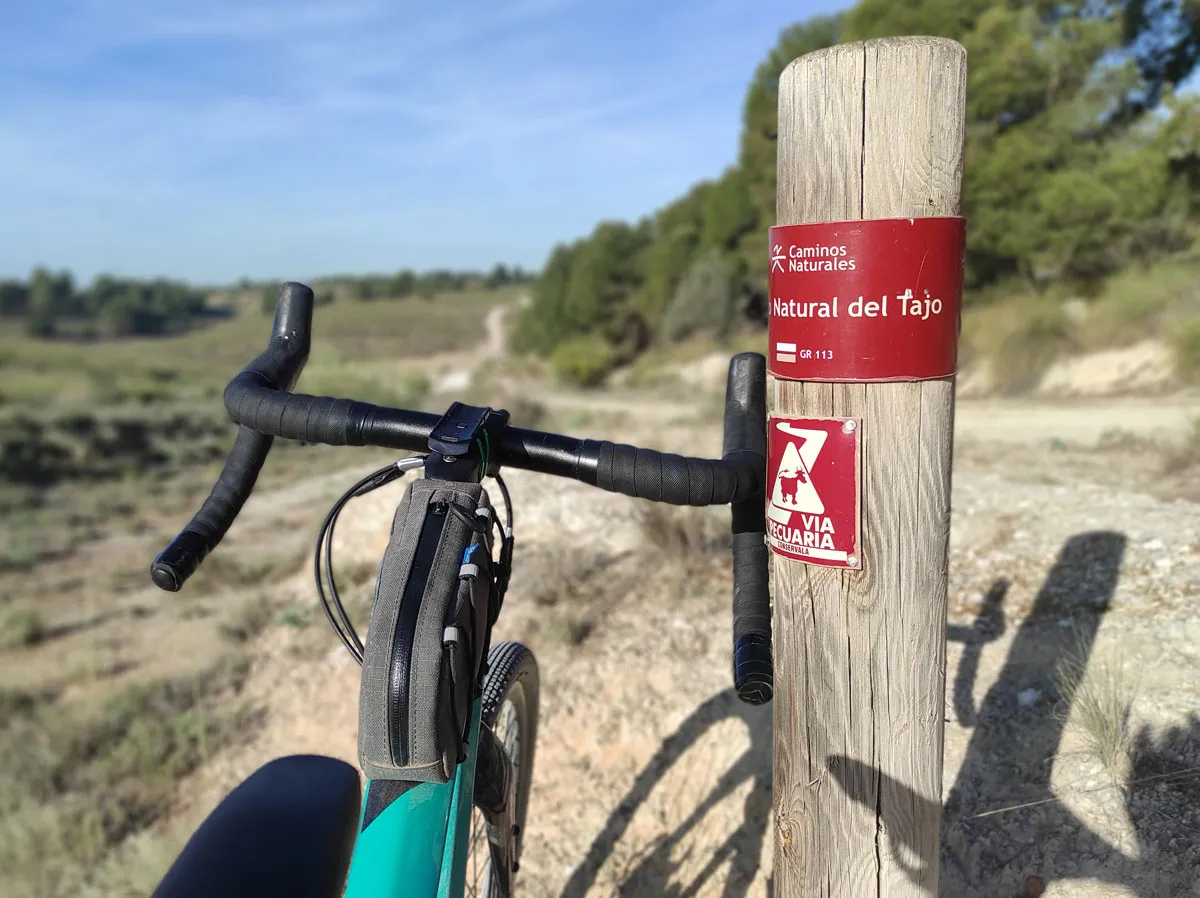
Discover unique places to stop and enjoy.
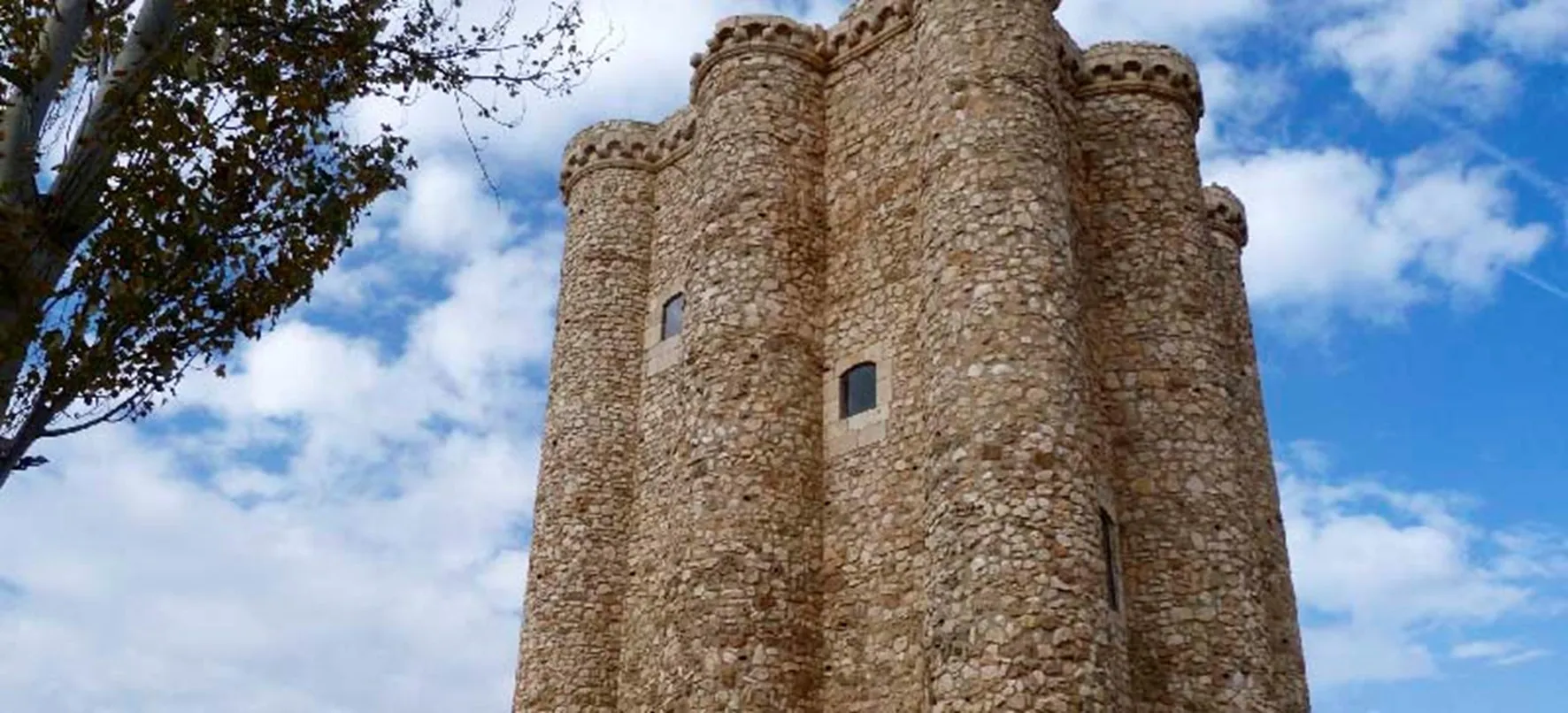 castle Edificio
 Climbing to the top of the Tower of Tribute, one understands the value and historical roots of Villarejo de Salvanés, and why it was chosen by the Order of Santiago as the seat of the Encomienda Mayor of Castile in the 15th century. From up there, a large part of the territory of Castile can be seen. The only passage for friends, enemies, and goods was Villarejo de Salvanés. The Royal Road to Valencia (transformed into the current A-3) passed through here, whose origin dates back to the Roman spartarian road. This was the only passage between the Central Plateau and the southeast of the Iberian Peninsula. Seeing the fields of the Madrid vega at sunset from the heights of the Tower of Tribute is a unique spectacle in the Community of Madrid.
 castle Edificio
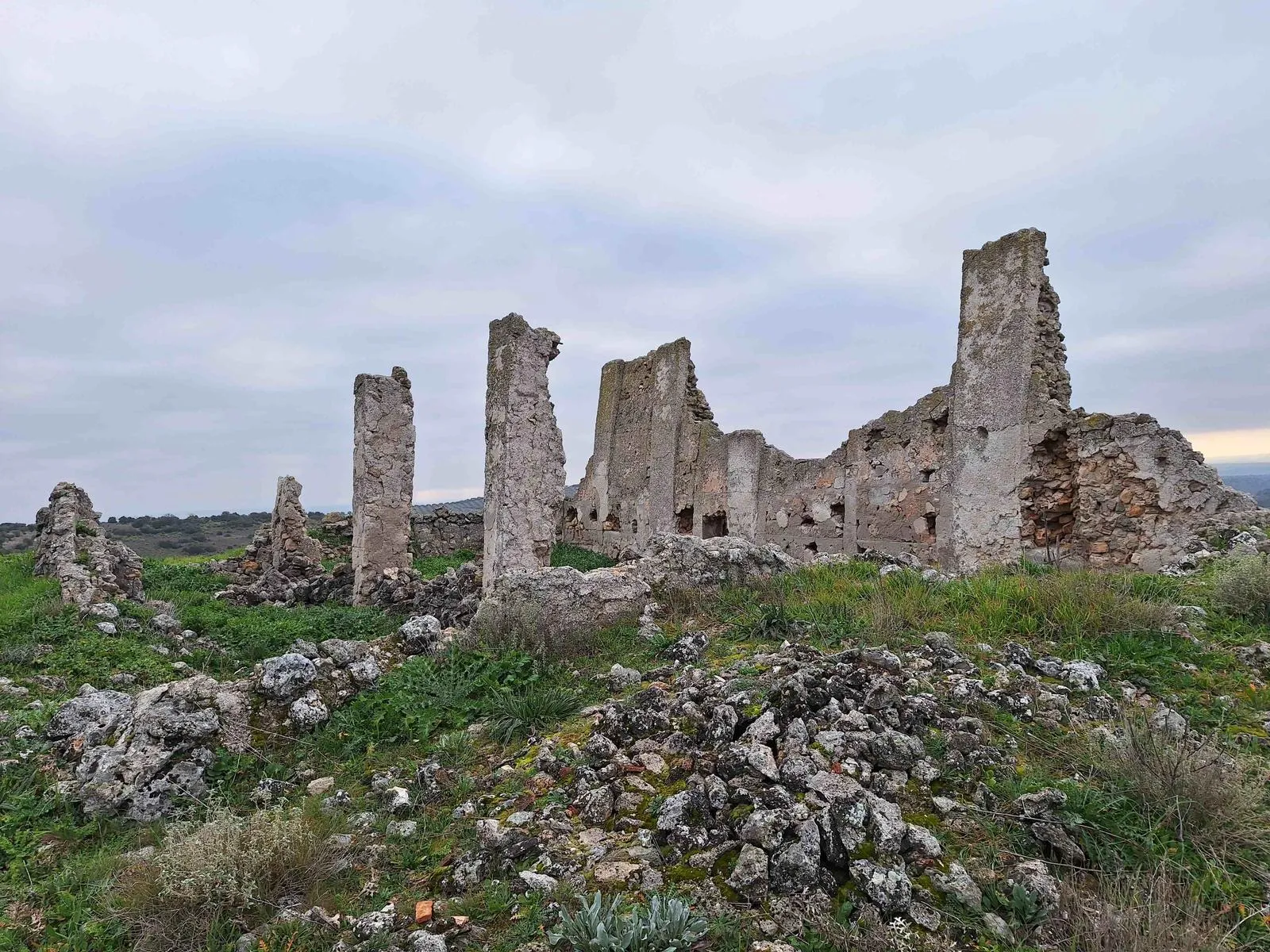
 The ruins of the church of Santa María are the remains of the original settlement of Villarejo de Salvanés, when the inhabitants of the San Pedro stream left the bottom of the valley and sought lands with better possibilities for crops. In the nearby hills, remains from the Bronze Age, traces of Arab walls, a necropolis, and vestiges of an ancient Roman road, known in the Middle Ages as the "route of esparto," which reached up to Esparteros street in Madrid, in the center of the capital, have been found.
 castle Edificio
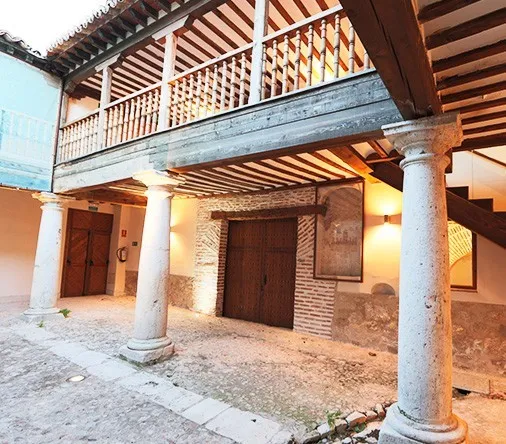
 Also known as the House of the Encomienda, it served economic functions until well into the 19th century, as from here the tributes of the local peasants, merchants, and travelers who traveled the Royal Road of Valencia were administered. One third of these taxes (which were usually paid in kind) was accumulated in its facilities for the use and enjoyment of the commanders, as a symbol of the power of the Encomienda Mayor of Castile, since it is no coincidence that the head of said Encomienda was located in Villarejo. Its imposing facade, robust, with few openings, and crowned with a kind of pediment or triangular piece that cuts the waters of the roofs, already gives us clues that it is a building of a political-economic nature. Above the lintel arch of the entrance gate, composed of large ashlars, we can find the royal coat of arms of the House of Habsburg, and the coat of arms of the House of Zúñiga and Avellaneda, so it is very likely that the commander Don Juan de Zúñiga and Avellaneda was the sponsor of this construction, between 1534 and 1545.