Turicleta
Route to the Segóbriga Archaeological Park from El Hito
Easy

Route to the Segóbriga Archaeological Park from El Hito

Municipio Turicleta, Castilla-La Mancha
24.6km Distance
2h Duration
865m Max altitude
e-Bike Type

About this route

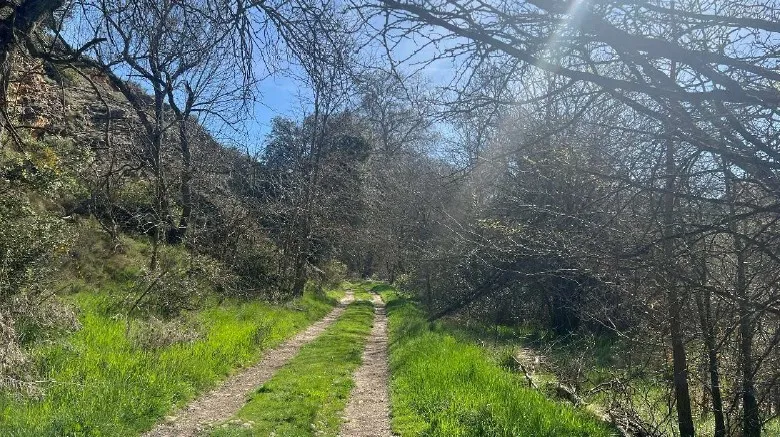
Discover by electric bike the surroundings of El Hito with this route that takes you to the impressive Segóbriga Archaeological Park, one of the best-preserved Roman sites on the Iberian Peninsula. The route runs along quiet rural paths between fields and gentle hills that characterize the landscape of La Mancha conquense.

Along the way, you can enjoy wide views of the territory and the natural environment of the Laguna de El Hito, a protected area of great ecological value known for its wealth of birds and its unique Manchego wetland landscape.

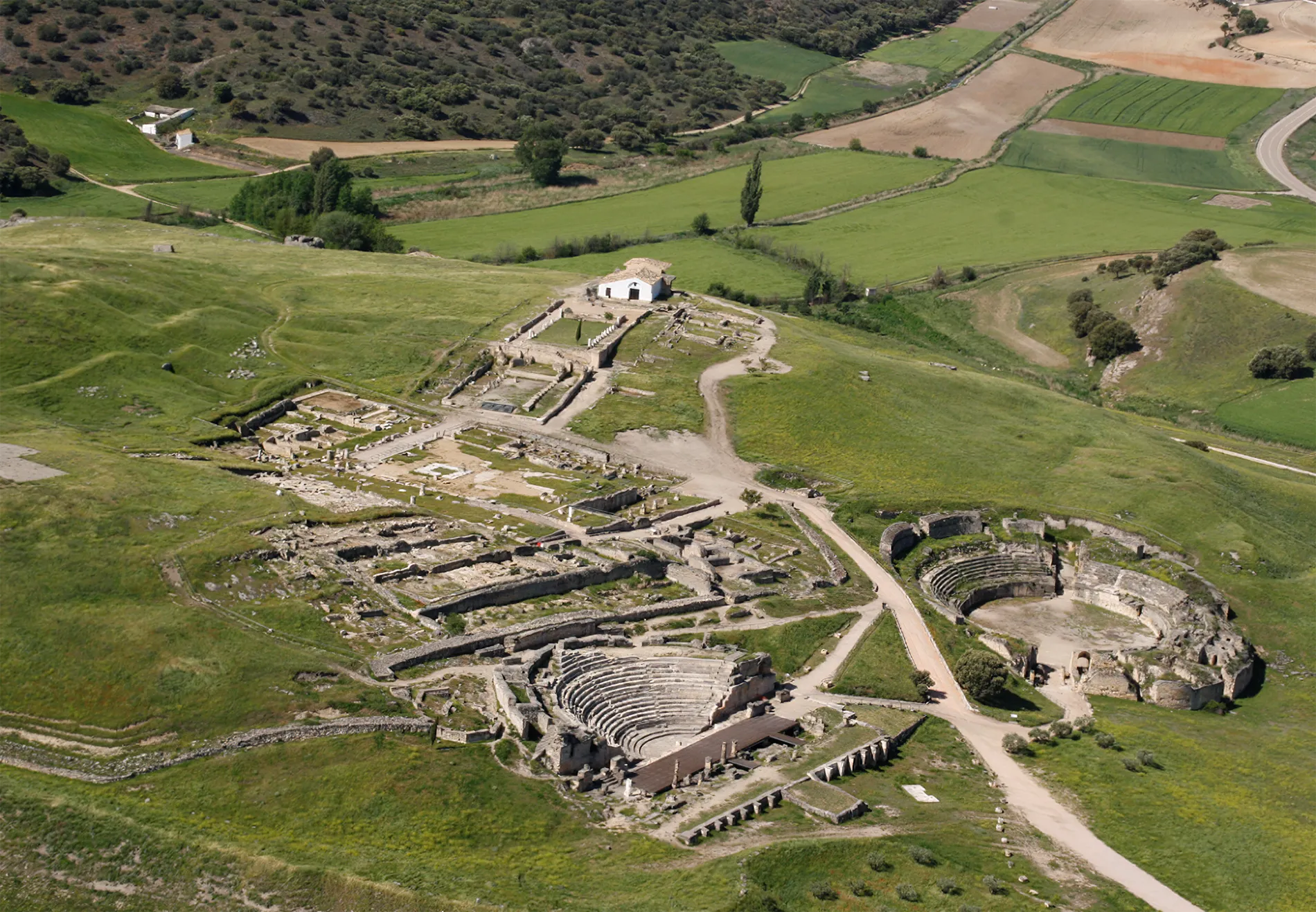
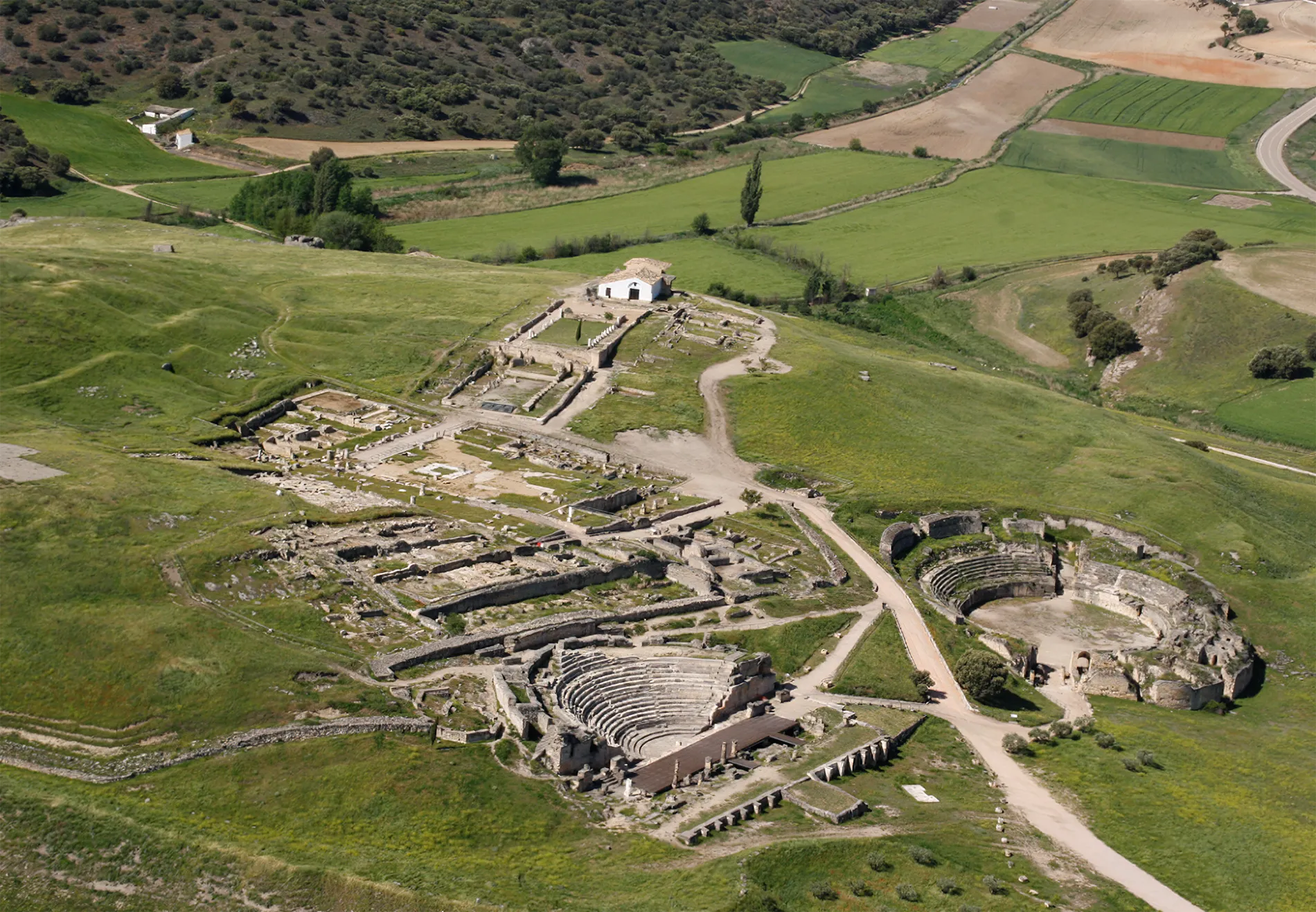
The highlight of the route is the arrival at Segóbriga, an ancient Roman city that became one of the most important urban centers in the interior of Hispania. Its archaeological park preserves important monuments such as the theater, the amphitheater, the forum, and the thermae, which allow us to imagine what life was like in Roman times.

A highly recommended route if you want to combine nature, Manchego landscape, and a visit to the Roman city of Segóbriga.

Types of paths:

  • Path: 17.9 km
  • Road: 5.16 km
  • Narrow trail: 1.01 km
  • Other routes: 185 m
  • National road: 125 m
  • Street: 121 m
touch_app
Toca para interactuar Usa dos dedos para hacer scroll

Mapa interactivo proporcionado por

Wikiloc open_in_new

Route gallery

Moments captured by our community.

Route to the Segóbriga Archaeological Park from El Hito - Image 1
Featured Route to the Segóbriga Archaeological Park from El Hito
Route to the Segóbriga Archaeological Park from El Hito - Image 2
Route to the Segóbriga Archaeological Park from El Hito
Route to the Segóbriga Archaeological Park from El Hito - Image 3
Route to the Segóbriga Archaeological Park from El Hito

Points of interest on the route

Discover unique places to stop and enjoy.

Roman Necropolis place Otro

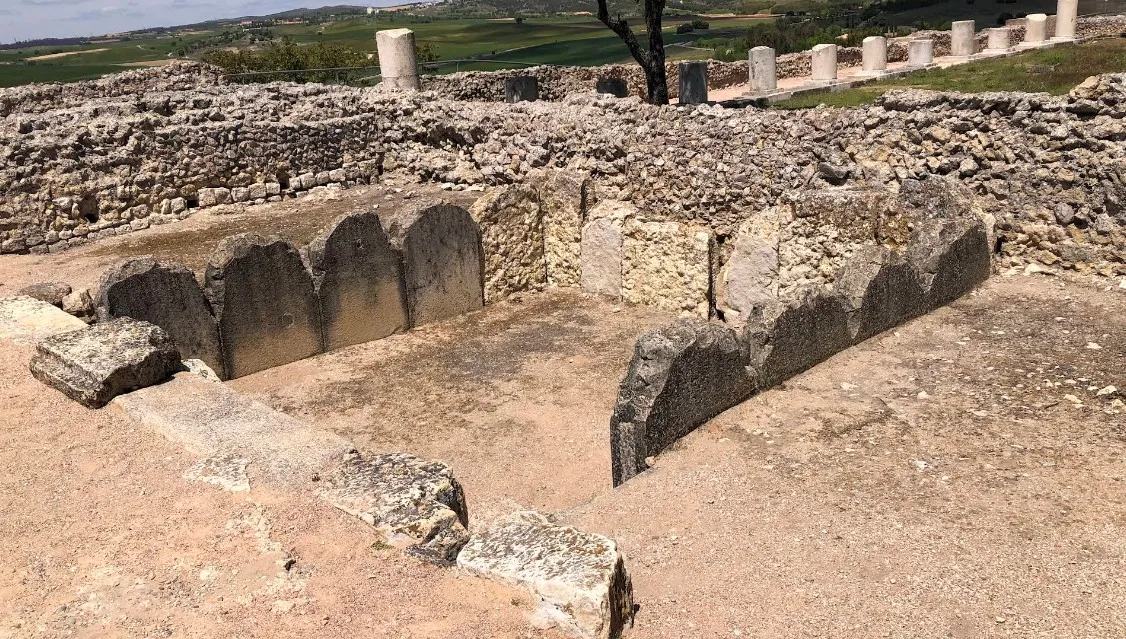
Roman Necropolis

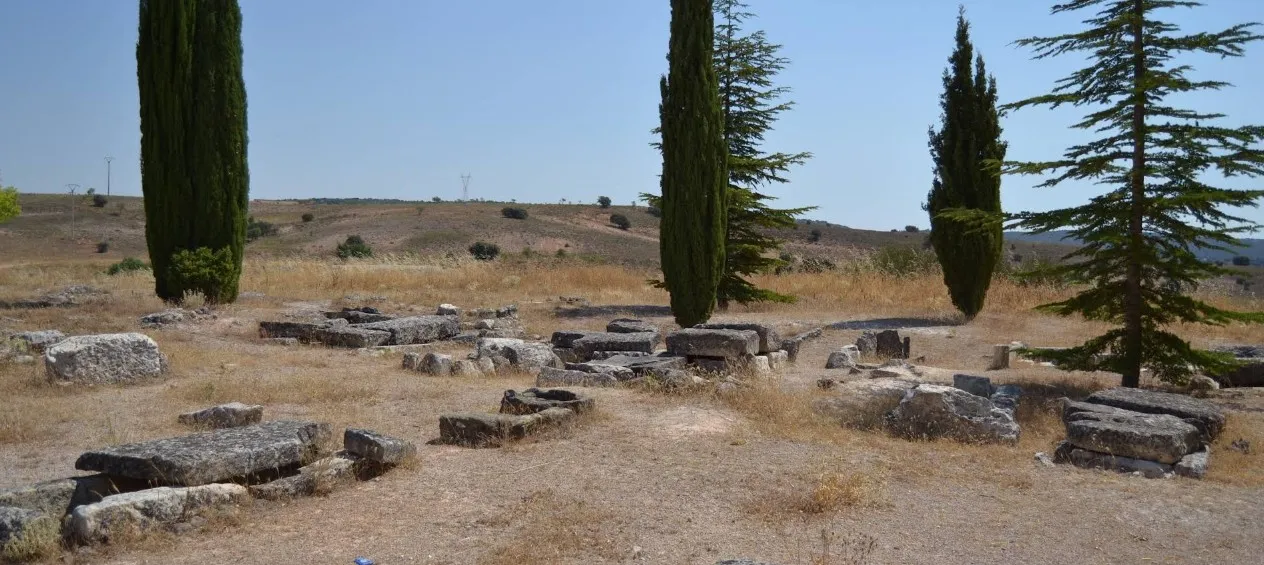
In this place, different types of burials used between the 1st and 3rd centuries AD have been documented, reflecting the funerary practices of Roman society.

Roman circus of Segobriga place Otro

Roman circus of Segobriga

The Roman circus of Segobriga was the space designated for chariot races and other public spectacles of the city. Located outside the urban core, this large elongated venue could accommodate numerous spectators who gathered to enjoy the competitions and popular celebrations, reflecting the importance of leisure and public life in Roman society.

Roman Forum of Segobriga place Otro

Roman Forum of Segobriga

The Roman forum of Segobriga was the political, religious, and commercial center of the city. In this large public square, the main administrative buildings and temples were concentrated, and it was the place where public life, meetings, and commercial activities of the population took place during the Roman era.

Medina Mill Ruins castle Edificio

Medina Mill Ruins

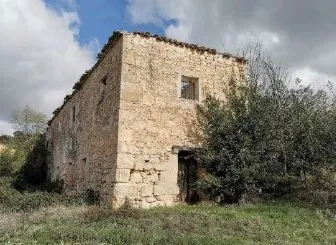
The ruins of the Medina Mill correspond to an ancient hydraulic mill that harnessed the power of water to grind grain.

Hoz del cigüela forest Naturaleza

Hoz del cigüela

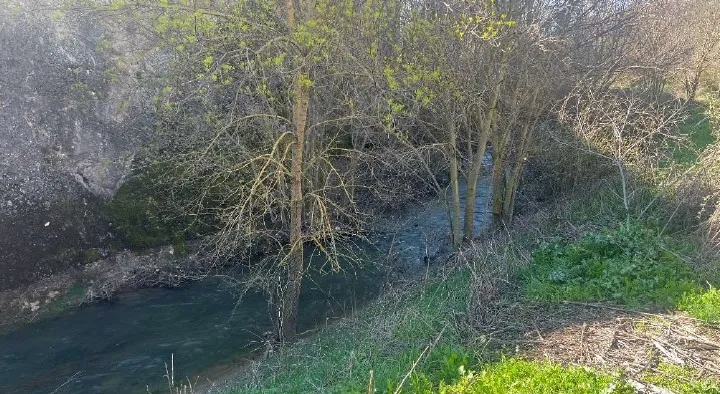
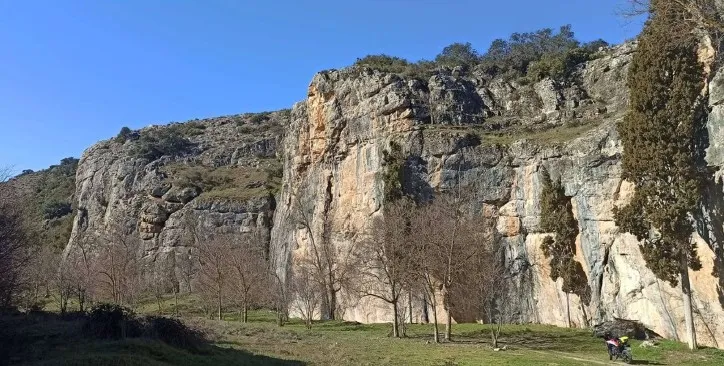
The gorges of the Cigüela River form a natural landscape of great beauty where the river has carved deep walls and ravines in the terrain over time. This environment combines rock formations, riverside vegetation, and wide views of the Manchego landscape, becoming a place of natural interest in the vicinity of Segóbriga.

Roman Aqueduct Ruins of Segobriga place Otro

Roman Aqueduct Ruins of Segobriga

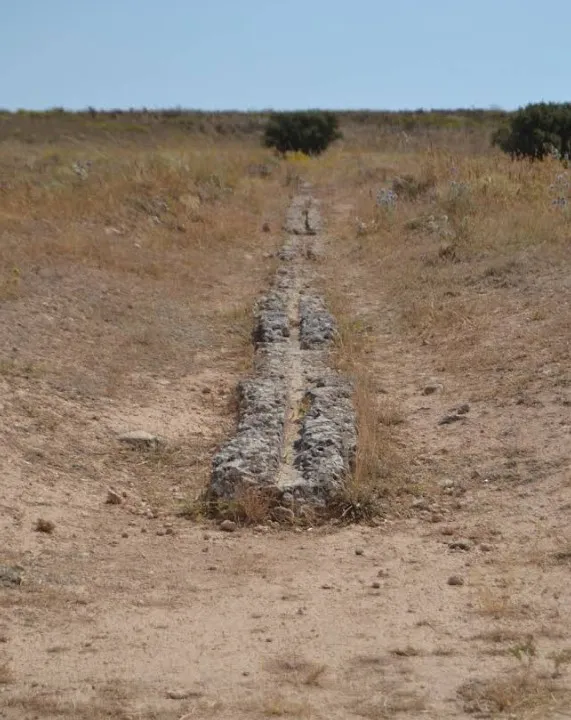
It transported groundwater from the Fountain of the Sea, north of Saelices, to the city center, entering through the current Interpretation Center.

Luján Castle castle Edificio

Luján Castle

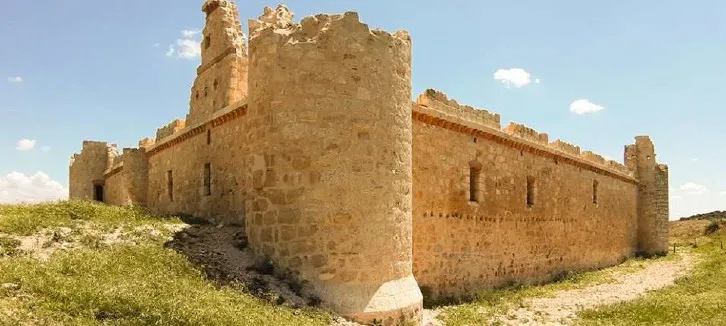
The Luján Castle is a medieval fortification situated on a hill that dominates the landscape of the region. Although it is now preserved in a state of ruin, its remains allow us to appreciate the strategic importance that this defensive enclave had, from where the roads and the surrounding territory were controlled.

Roman Theatre of Segobriga place Otro

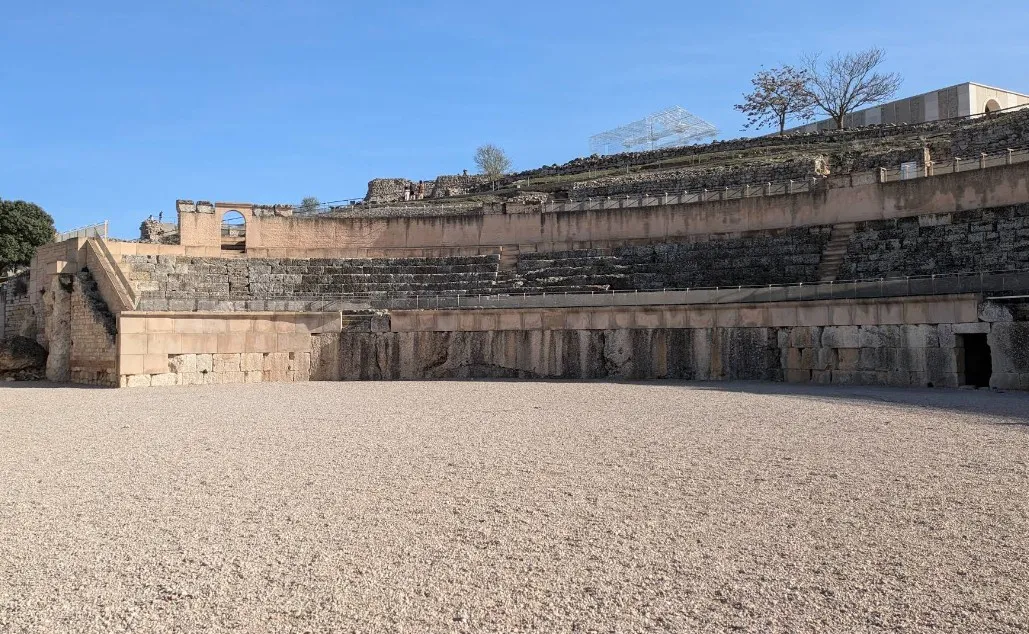
Roman Theatre of Segobriga

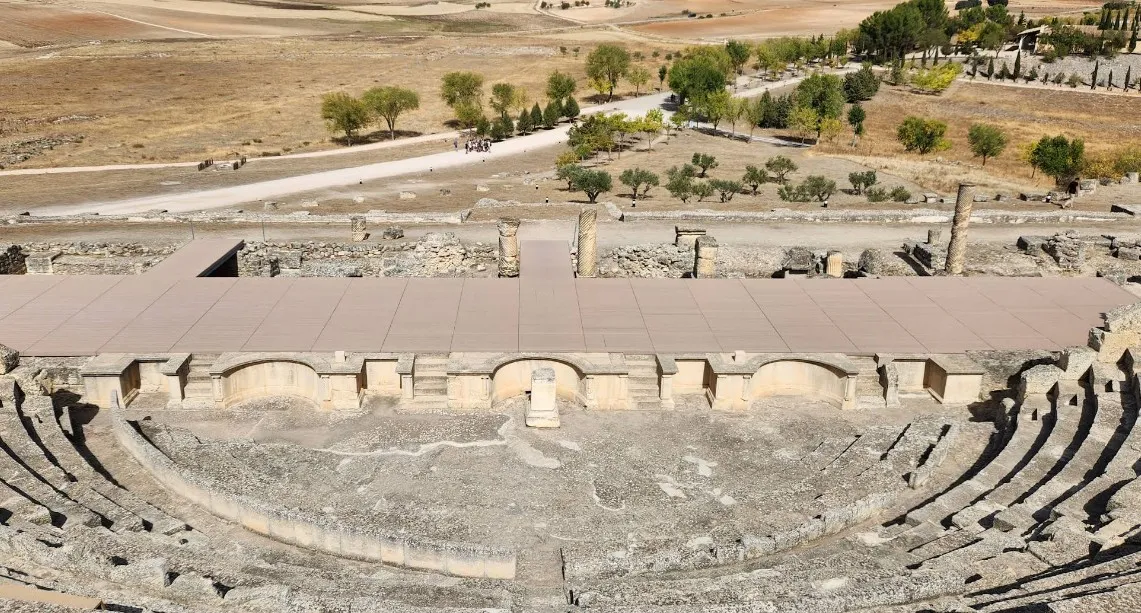
The Roman theater of Segobriga, built in the 1st century AD, was one of the main public spaces of the city intended for theatrical performances and cultural events.

Watchtower of Saelices castle Edificio

Watchtower of Saelices

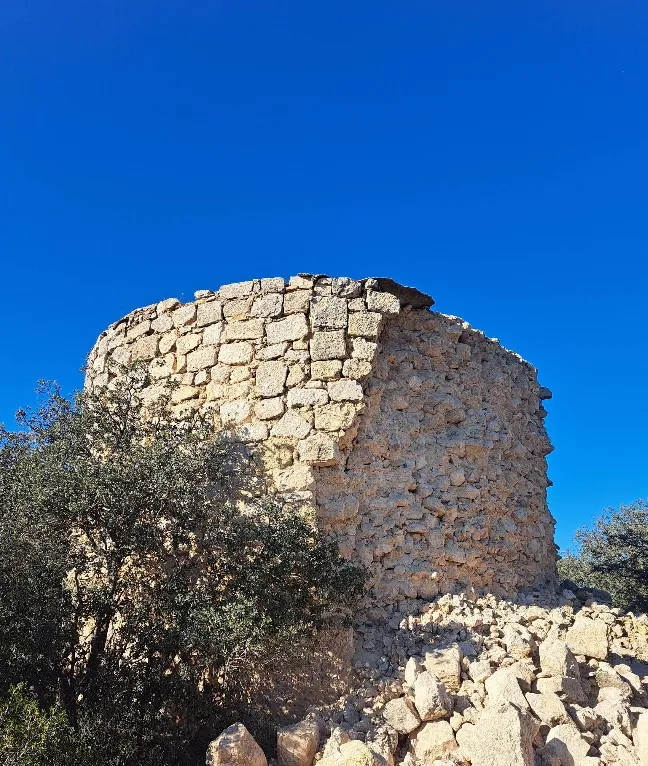
The watchtower of Saelices is an ancient lookout tower used to control the territory and warn of possible dangers. Located in an elevated position, it was part of the defensive system and visual communication between towers, allowing the monitoring of roads and the surroundings from a strategic point.

Segobriga Archaeological Park place Otro

Segobriga Archaeological Park

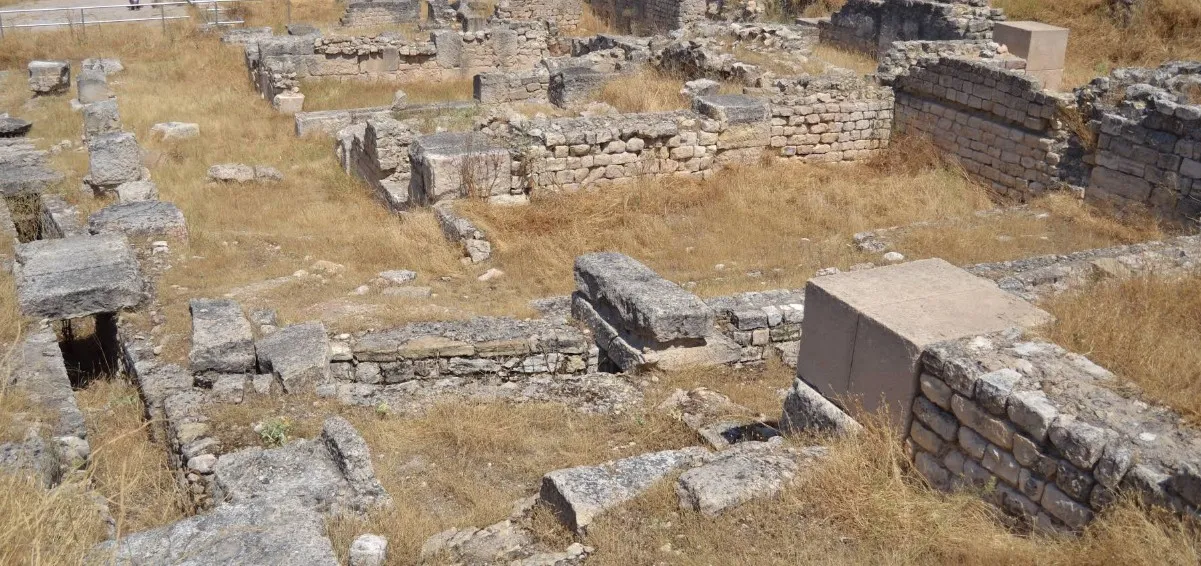
The archaeological site is one of the most important archaeological complexes of the Plateau. The monumentality of its excavated remains, where all public buildings, essential references of Roman architecture, are present, has made Segobriga a unique site to understand the urban characteristics of this period as there is no current city superimposed.

Monumental Baths of Segobriga place Otro

Monumental Baths of Segobriga

The monumental baths of Segobriga were one of the main public spaces dedicated to bathing, hygiene, and social life in the Roman city. This thermal complex had different rooms with cold, warm, and hot water, where the inhabitants of Segobriga gathered to relax, converse, and participate in the daily life of the city.

Palace Farm Infanta Eulalia castle Edificio

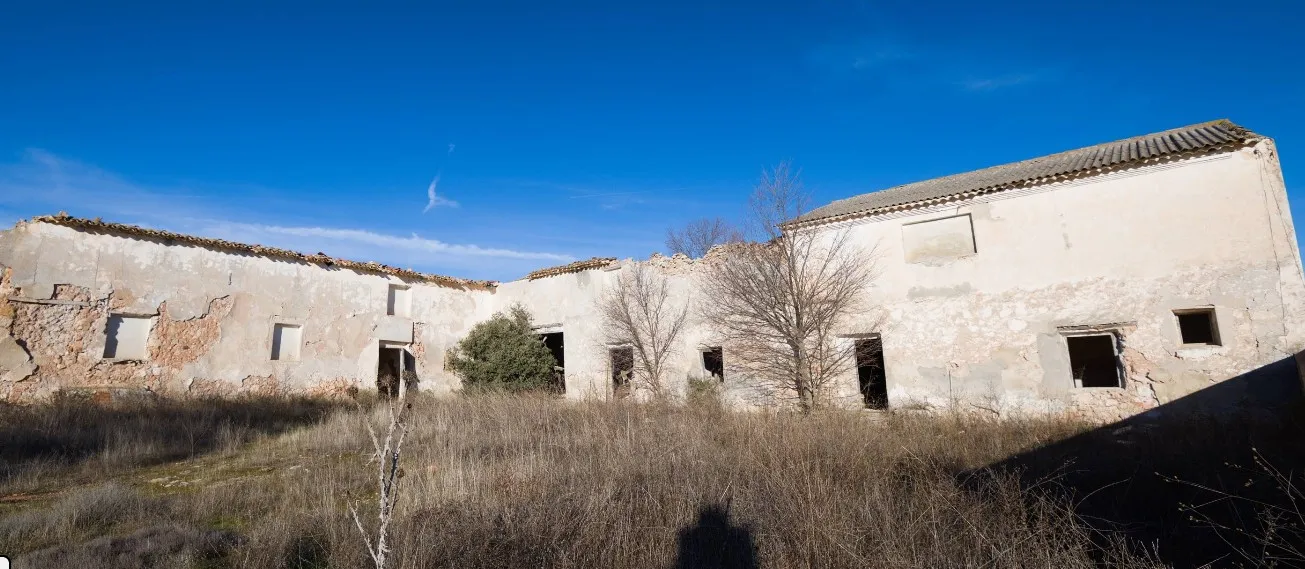
Palace Farm Infanta Eulalia

The ruins of the estate of the Palace of Infanta Eulalia correspond to an ancient property linked to the Spanish aristocracy. Today, some remains of the constructions that were part of this historic estate are preserved, located in a rural setting that reflects the life of the large agricultural properties in the area in past times.

Old Bridge water_drop Agua

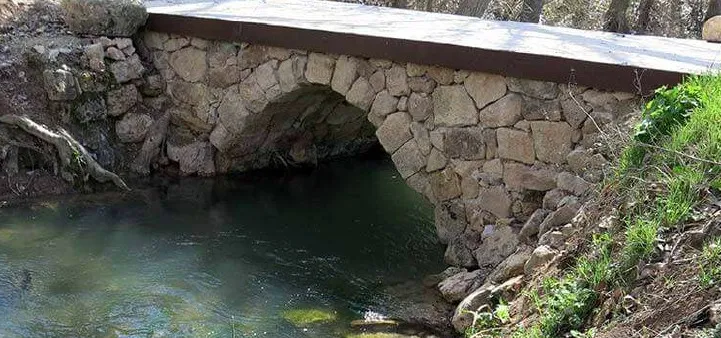
Old Bridge

Small bridge of Roman origin, located near the Castle of Saelices. It is of great importance, as it belongs to the Roman road that connected Carthago Nova with Complutium.