
 Easy
Easy Teresian Route Start and return through Martiherrero
Ávila, Castilla y LeónTeresian Route Start and return through Martiherrero
Ávila · Castilla y León 30.5km Distance
2h 30min Duration
1247m Max altitude
e-Bike Type
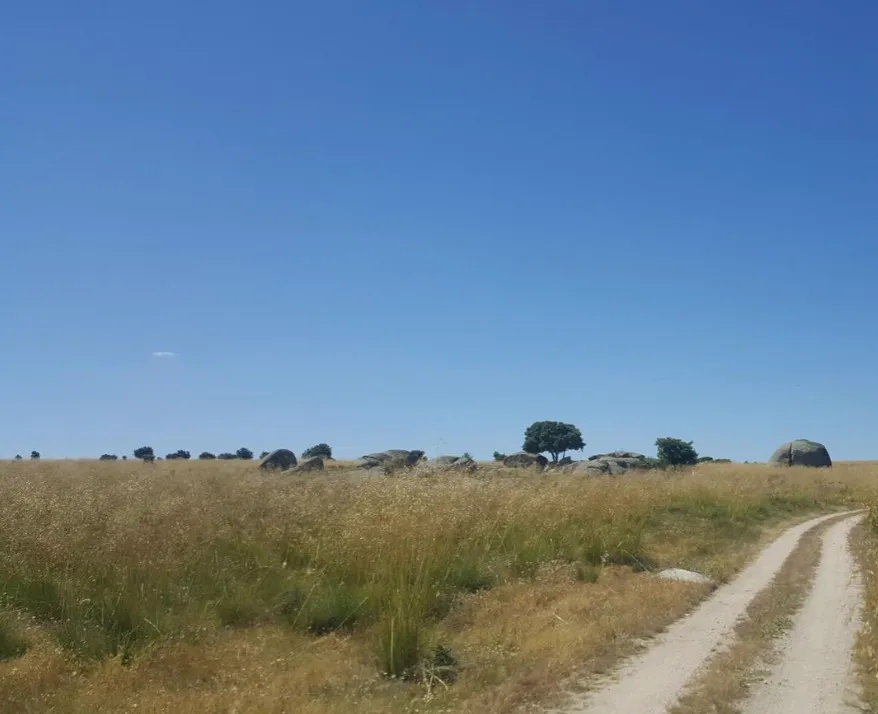
Easy Circular route that begins on the outskirts of Ávila and traverses part of the historic Teresian path. It combines gentle urban sections with comfortable agricultural tracks and wide paths. After leaving the city, the route heads west, bordering the Adaja River Valley, before heading to the municipality of Martiherrero, where the landscape opens up into dehesas and easy transit paths.
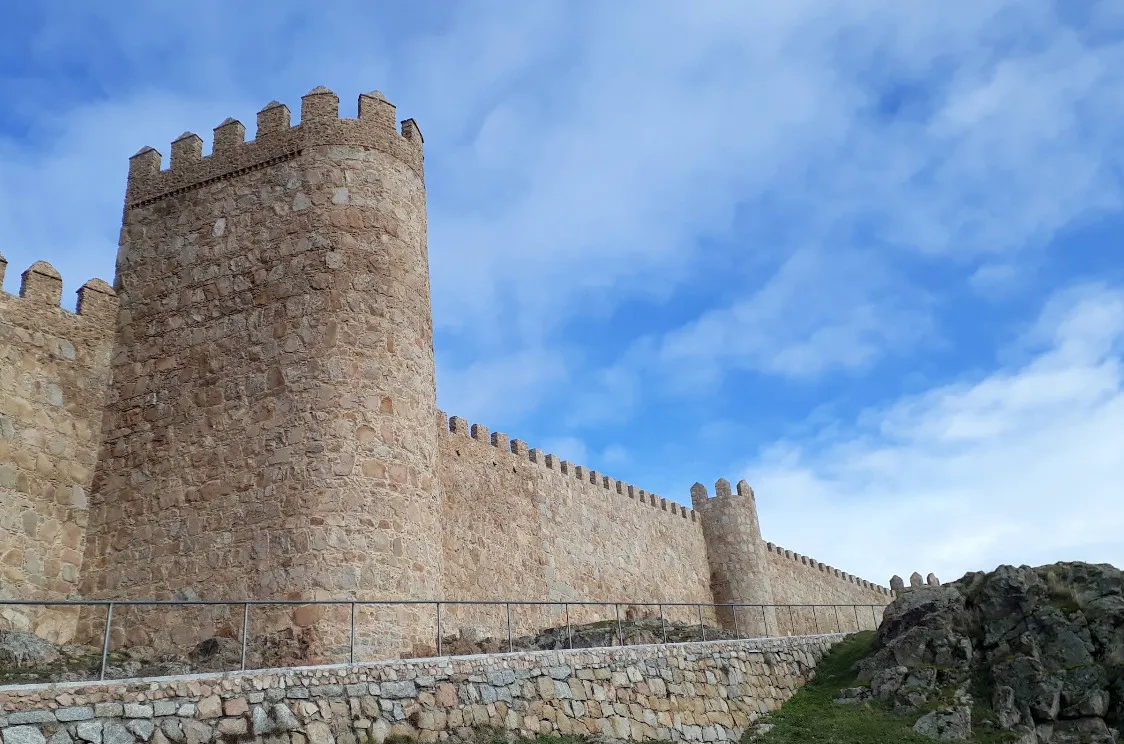
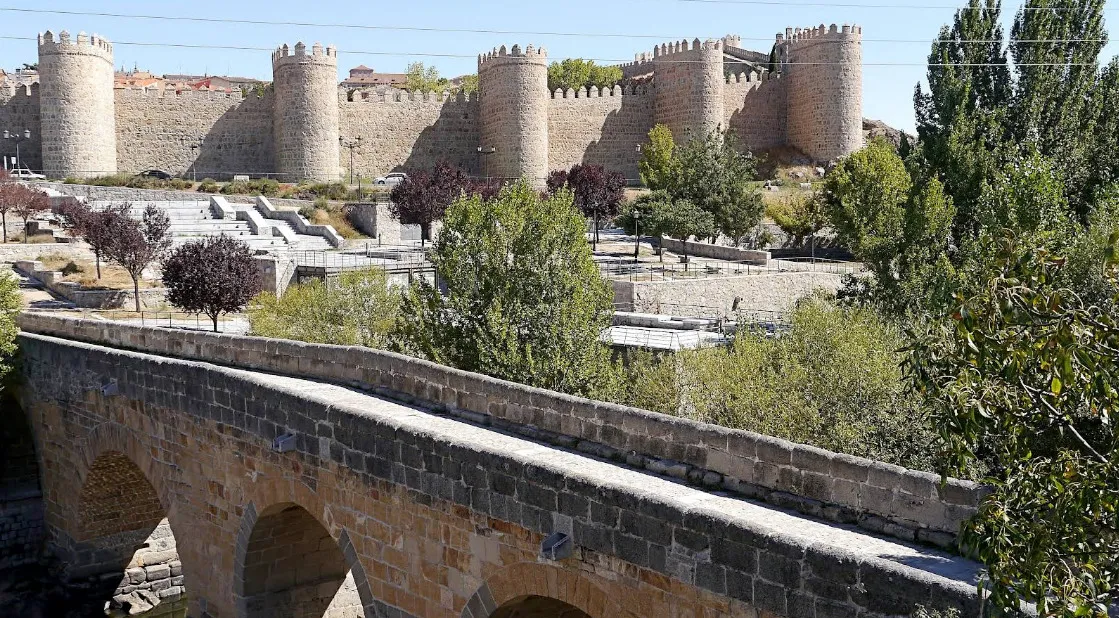
The return to Ávila is made via wide and very bikeable tracks, with constant views of the Walls of Ávila, which serve as a visual reference at several points along the route.
It is an accessible route, with a gentle profile and very pleasant scenery.
Types of paths:
Mapa interactivo proporcionado por
Wikiloc open_in_newMoments captured by our community.
Discover unique places to stop and enjoy.
 place Otro
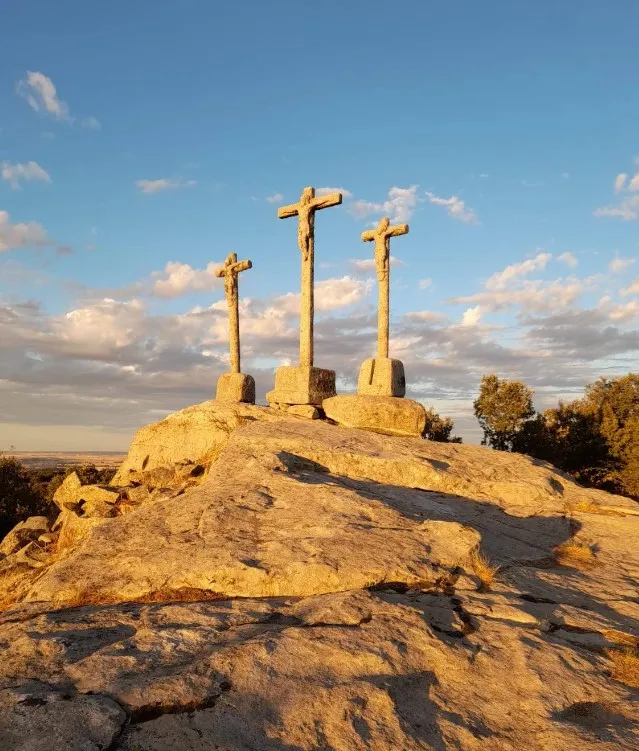
 Small set of stone crosses located on a hill on the outskirts of Ávila, traditionally used as a point of prayer and reference for walkers and pilgrims. From here, wide views of the Adaja Valley and the silhouette of Ávila are obtained, making it a very popular viewpoint for those who hike and cycle around the city.
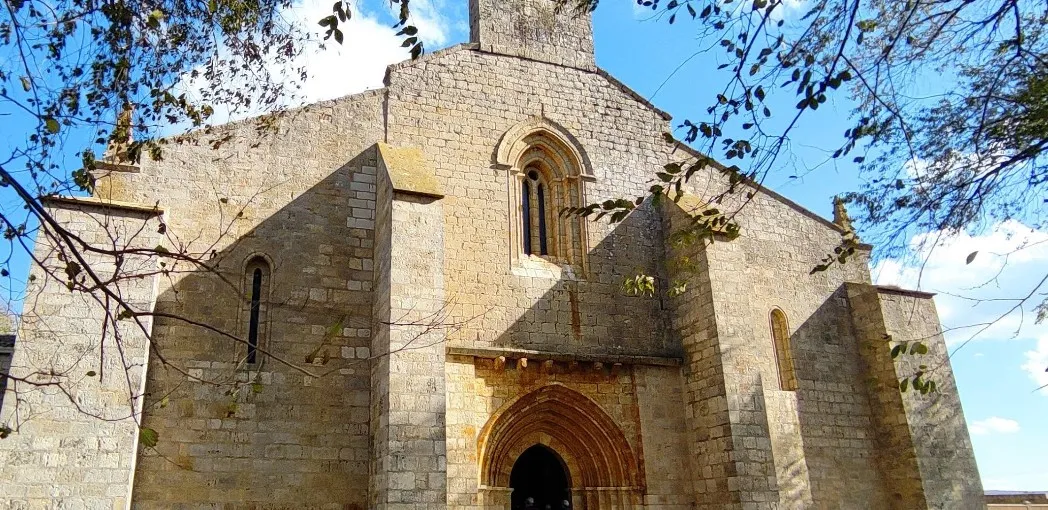 castle Edificio
 Small rural chapel of meadows and pastures. It is a simple temple, of traditional origin, linked to the popular devotion of the area. Its surroundings are very peaceful and offer a typical landscape of the Ávila plateau: holm oaks, open fields, and very bike-friendly paths. It is an excellent stopping point on bike or walking routes.
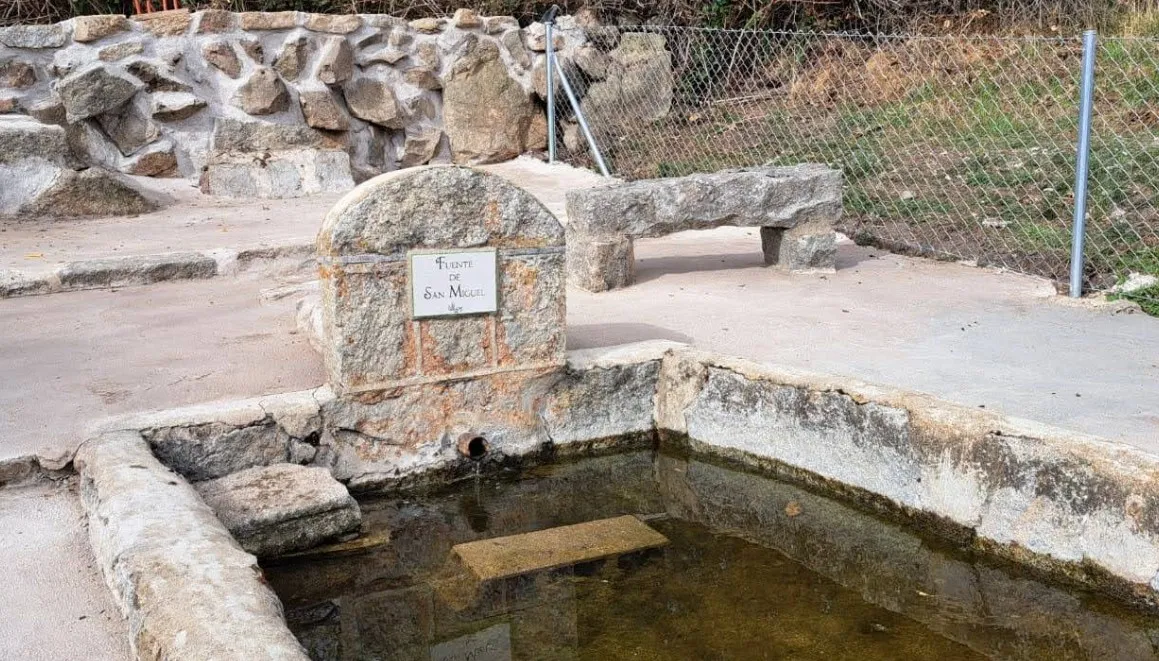 water_drop Agua
 Traditional small fountain located on the outskirts of Ávila, formerly used as a water point for neighbors and walkers. Its rural and quiet environment makes it a pleasant stop along the route.
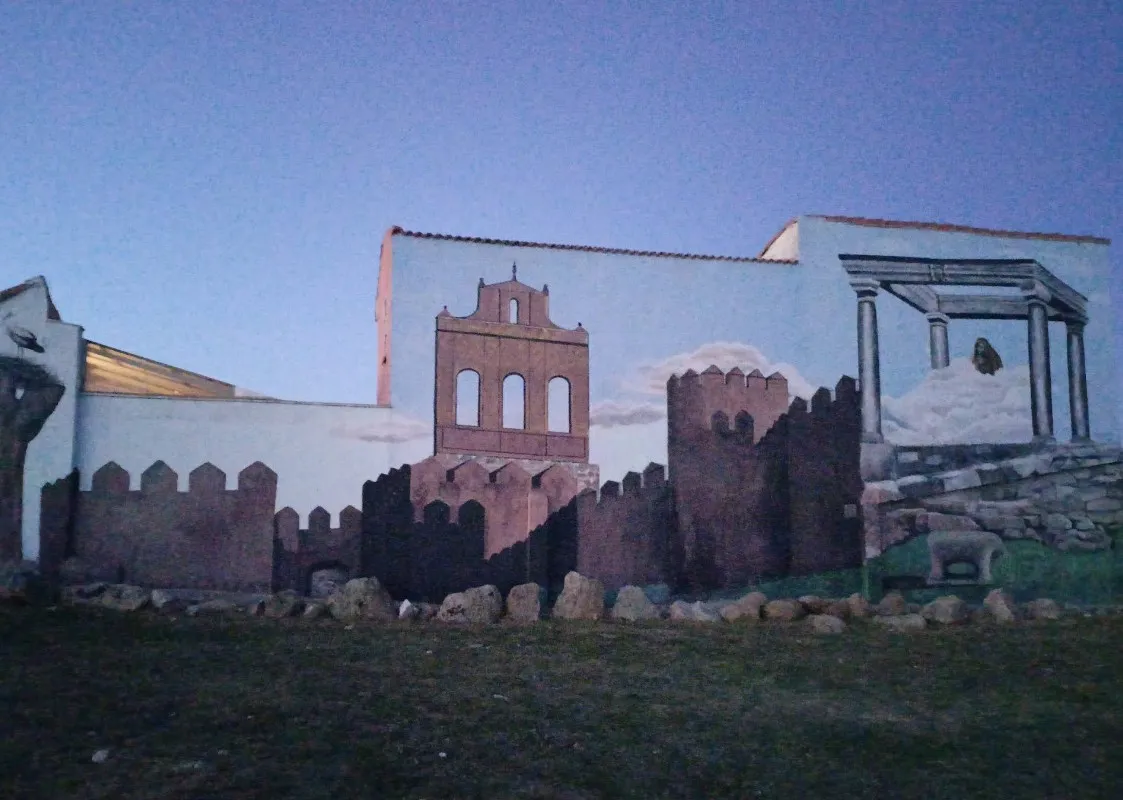 place Otro
 Urban mural dedicated to Saint Teresa of Jesus, which beautifies a wall near the route. It represents the figure of the saint as a symbol of Ávila and adds a cultural and artistic touch to the tour.