

Turicleta
Bogarra
Featured Destination

Bogarra

Albacete
Cómo llegar

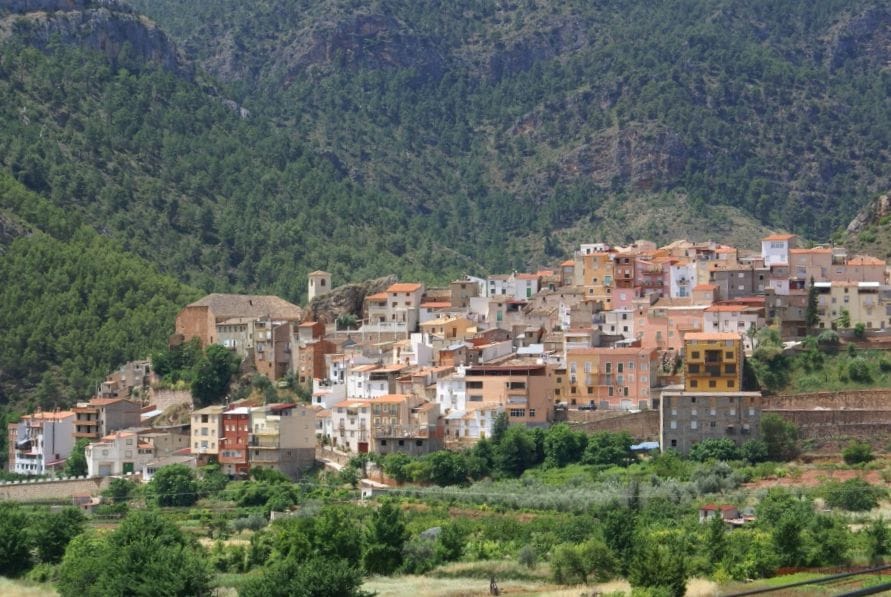
On the banks of the river of the same name, and dominated by the imposing rocky mass of El Padrastro, the town of Bogarra is set in one of the most beautiful landscapes of the Sierra del Segura. Its fertile plain, full of fruit trees, and its old, steep streets preserve the mountain character of these lands and invite visitors to wander through them on a peaceful stroll.

1 Cycling Routes
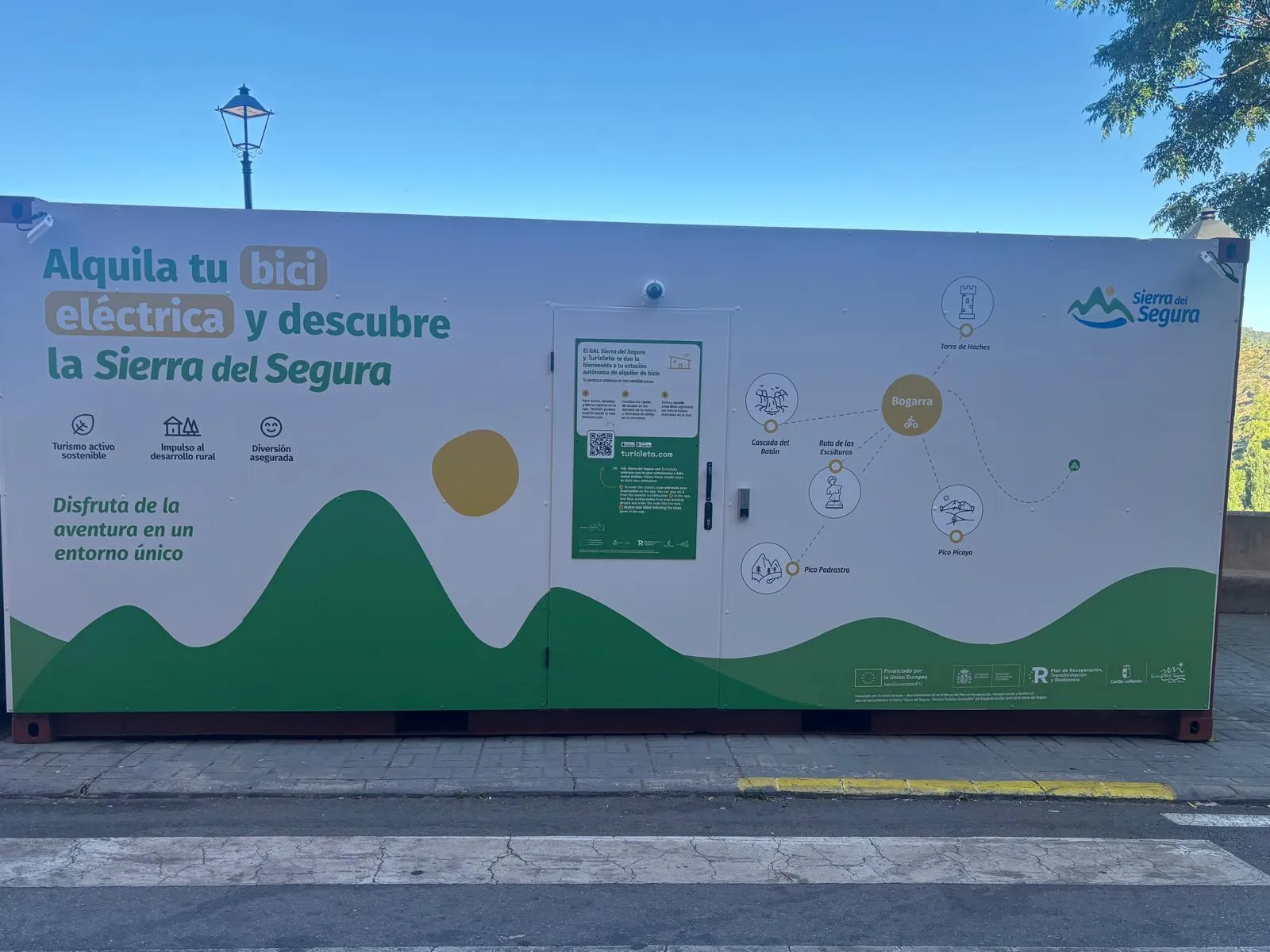
1 station available
Where do you want to rent your bike?

Stations inBogarra

Find electric bike stations available in the city.

View all

Sobre Bogarra

Heritage

The streets of Bogarra, narrow and steep, still retain a certain ancient charm. On one of them, on Cítara Street, stands the Parish Church of Our Lady of the Assumption. This is an 18th-century Baroque building whose tower is connected to the main body by an arch. Of the three naves that compose it, the central one is the tallest. In the rectangular, flat apse there is an interesting Baroque altarpiece, while the side chapels contain a Neoclassical altarpiece and an attractive piece of iron welding by master Quijano.

The surroundings of the town offer a wide range of scenic, historical, and sporting possibilities.

The Haches Watchtower, an Almohad structure with four floors and a 13th-century façade, still retains part of its charm. Nearby is where the Haches Sphinx was discovered, now exhibited in the Albacete museum.

Next to the town, rising above it, stands Cerro del Picayo, an impressive rocky mass that seems to peer over each of the town’s houses. From its summit, south of the town, sports like paragliding and hang-gliding are practiced. The water, carried by the Segura River and touching the feet of the town, is the reason for one of the most beautiful spots in the municipality: the place known as El Batán de Bogarra. Equipped with facilities for tourists, El Batán is a monument to what gives life to the Sierra: water. It is water that covers the rocks with green vegetation and imposing forest masses.

Fauna and Flora

The fauna in Bogarra is very diverse: Spanish ibex, eagles, owls, falcons, otters, moles, although the wild boar species stands out in number. A slender mammal with thick dark bristles covering its entire body. The elongated head ends in a flat, bare disc called the snout. Its long tail has a tuft of hair at the tip. It has strong tusks, larger in males than in females; the lower jaw tusks are usually called *naranjas*, and the upper ones *remolones* or *almohadados*. Large males weigh up to 130 kg.

Besides the wild boar, we can also observe other native animals such as Spanish ibex, eagles, owls, falcons, otters, and moles.

Bogarra's flora is abundant and rich: pines, poplars, holm oaks, broom, walnut trees, elms, fig trees, oaks. In this area several plant species coexist and grow harmoniously. On the banks of the Bogarra River fruit trees grow abundantly, forming its famous orchards bordered by countless poplars, walnut trees, and fig trees. The pine is another protagonist of the landscape. One only needs to look at the Montes de la Almenara, a spot where the view is overwhelmed by these trees.

In Bogarra we can also find a centuries-old dwarf pine of great beauty and native to the area. Almond trees, which bloom at the gates of spring and represent an important source of income for the locals who collect them, deserve special mention. We also find olive trees, which populate the nearby terraces extensively, later becoming the traditionally produced olive oil. Large quantities of aromatic herbs such as lavender, thyme, rosemary, and sage grow in the fertile fields of Bogarra.

Festivities

  • Carpets of Corpus Christi: Always held the weekend after Corpus day.
  • Saint John’s Night: June 24
  • Feast of San Sebastián (Bull Runs): August 20–24
  • Bonfires of Santa Lucía: December 13