

Turicleta
Liétor
Featured Destination

Liétor

Albacete
Cómo llegar

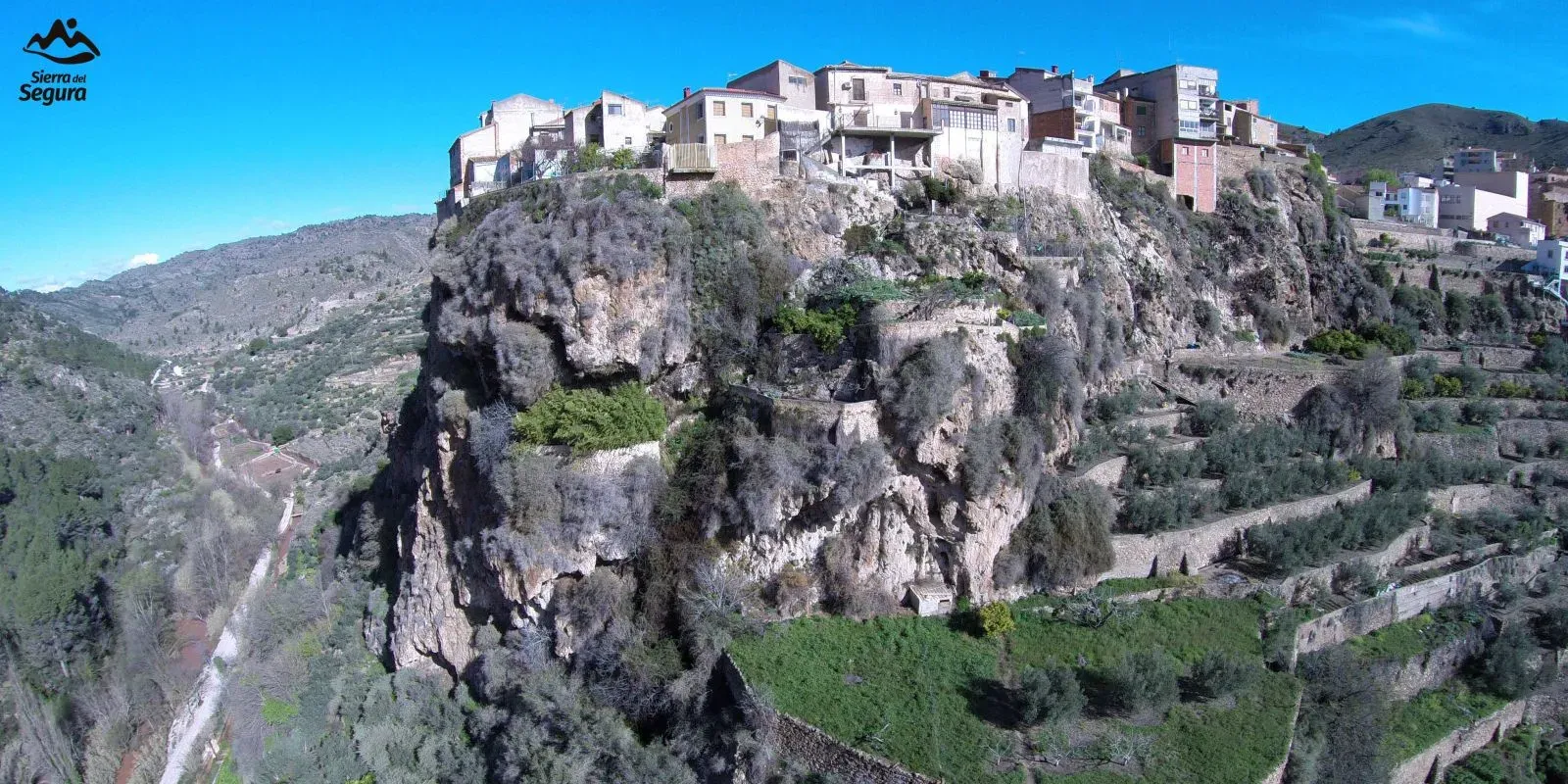
Perched above the Valley of the Mundo River, Liétor is the town that bids farewell to this tributary of the Segura River as it leaves the mountains. From here, the waters of the Mundo River head toward Murcian lands. In its network of streets, where part of its noble history can still be glimpsed, this town houses a highly interesting artistic and monumental heritage.

3 Cycling Routes
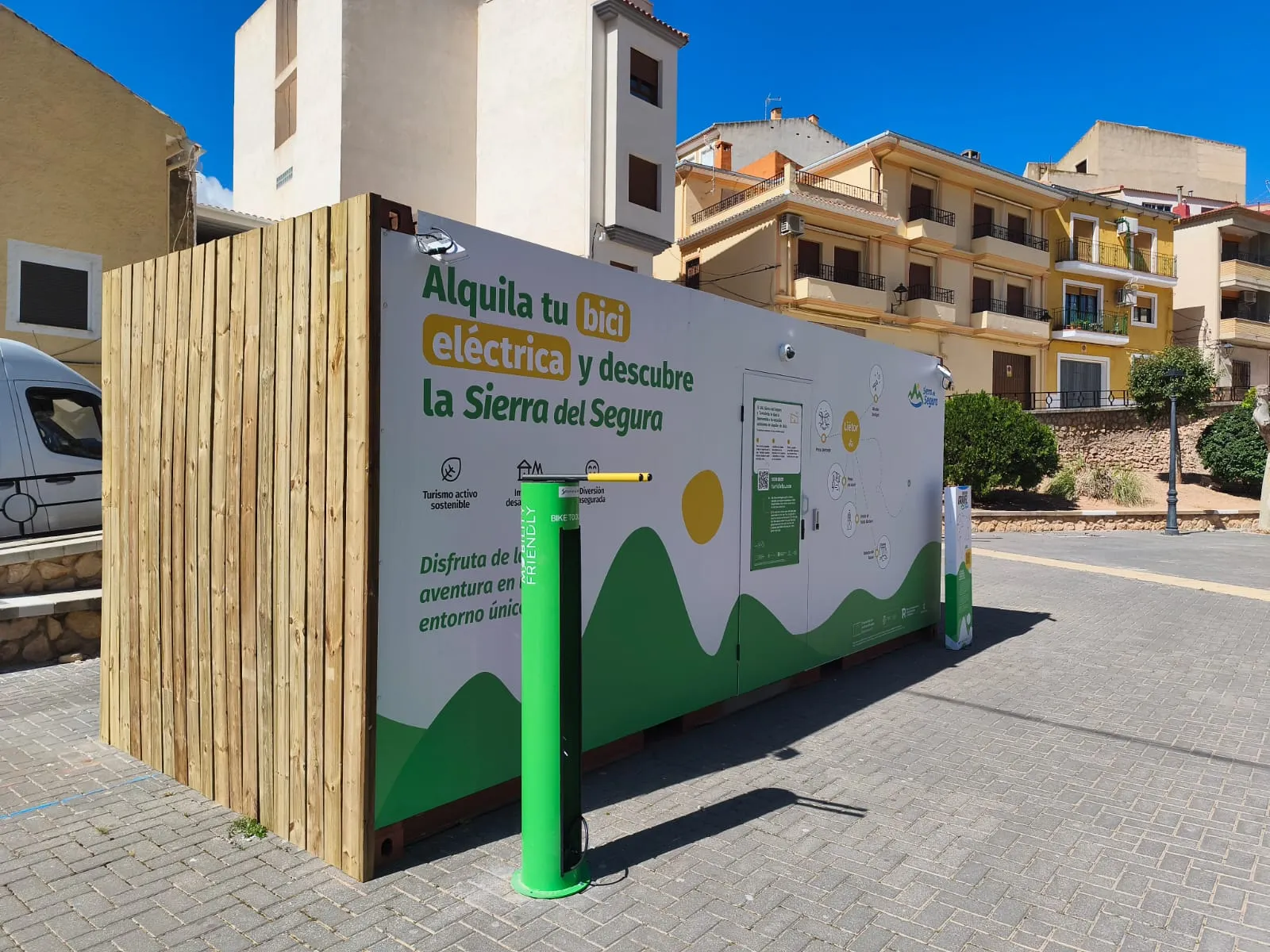
1 station available
Where do you want to rent your bike?

Stations inLiétor

Find electric bike stations available in the city.

View all

Sobre Liétor

<p><strong>Heritage</strong></p>

In the topography of Liétor, the Prebetic Mountain Range stands out, as well as the strong erosion caused by the Mundo River as it passes through the town.

The successive expansions of the urban area over the centuries, beyond the original walled enclosure, have continued to provide us with architectural examples of remarkable beauty, for above all, Liétor is a town that respects traditional architecture with its narrow and winding streets.

In its street layout, centuries and centuries of history accumulate and reveal themselves to visitors as if it were an open book. There is no better proof of this than its impressive religious buildings.

Examples include: the Church of Santiago Apóstol, the Hermitage of Belén, the Convent of the Carmelites and El Pilar.

Liétor is an ideal place for a stroll — wandering its narrow streets, reaching the viewpoints, and admiring the coats of arms and façades of the houses, such as that of the Rodríguez de Escobar family, which still retains its noble appearance.

<p><strong>Fauna and Flora</strong></p>

The town of Liétor is set in a natural environment of incomparable variety and beauty. The northern area connects this enclave with the Albacete plateau, where the towns of Casablanca, Mullidar and Cañada de Tobarra are located—lands of agriculture, hunting and esparto fields, belonging to La Mancha and therefore the area most associated with the Autonomous Community.

The valley of the Mundo River has its own unique personality. It crosses the municipal territory from west to east over 30 kilometres, and here lies the urban centre of Liétor, perched on a rocky outcrop 100 metres above the river.

This area evokes the ancient ties to the Kingdom of Murcia. Here we find terraced vegetable gardens of Muslim origin, irrigated by numerous springs. The fields located at the bottom of the valley are watered with the waters of the Mundo River.

The beauty of this region’s landscape is legendary, as attested by old documents. In the Topographical Reports of Philip II, Liétor is described as “a temperate and healthy land, with many springs, and very rugged and rocky with many cliffs, mountainous, harsh and stony. It is a land with abundant firewood because there are many pine forests and scrublands with firewood from pines, rosemary, mastic and many kermes oaks, and in this territory there is abundant game such as deer, partridges, hares, rabbits, mountain goats, wolves, foxes and other kinds of wild animals.”

Today, it preserves varied flora and fauna, including a significant population of wild boar, Spanish ibex, hare, foxes and golden eagle. In Liétor we also find an uncommon animal for this mountain range: the otter, brown and shiny in colour, usually darker in winter, with a slender, elongated body, long tail broad at the base and narrow at the tip, webbed feet and small rounded ears. It always lives near water—in rivers, streams, lakes, reservoirs or even coasts.

The otter is currently in danger of extinction due to water pollution and human interference in aquatic ecosystems. It is also a species protected by law.

<p><strong>Festivities</strong></p>

  • Holy Week Celebrations: April 9–16
  • Santa Bárbara Pilgrimage: May 1
  • San Isidro Festival: May 15
  • Virgin of Carmen Festival: July 16
  • August Festivities – Bull Runs: August 23–28
  • Santa Lucía Festival: December 12
  • Celebrations at the Hermitage of Belén: December 26–27