
 Easy
Easy Route 2 Railways with history - Carabaña
Carabaña, Comunidad de MadridRoute 2 Railways with history - Carabaña
Carabaña · Comunidad de Madrid 38.6km Distance
2h 30min Duration
800m Max altitude
e-Bike Type
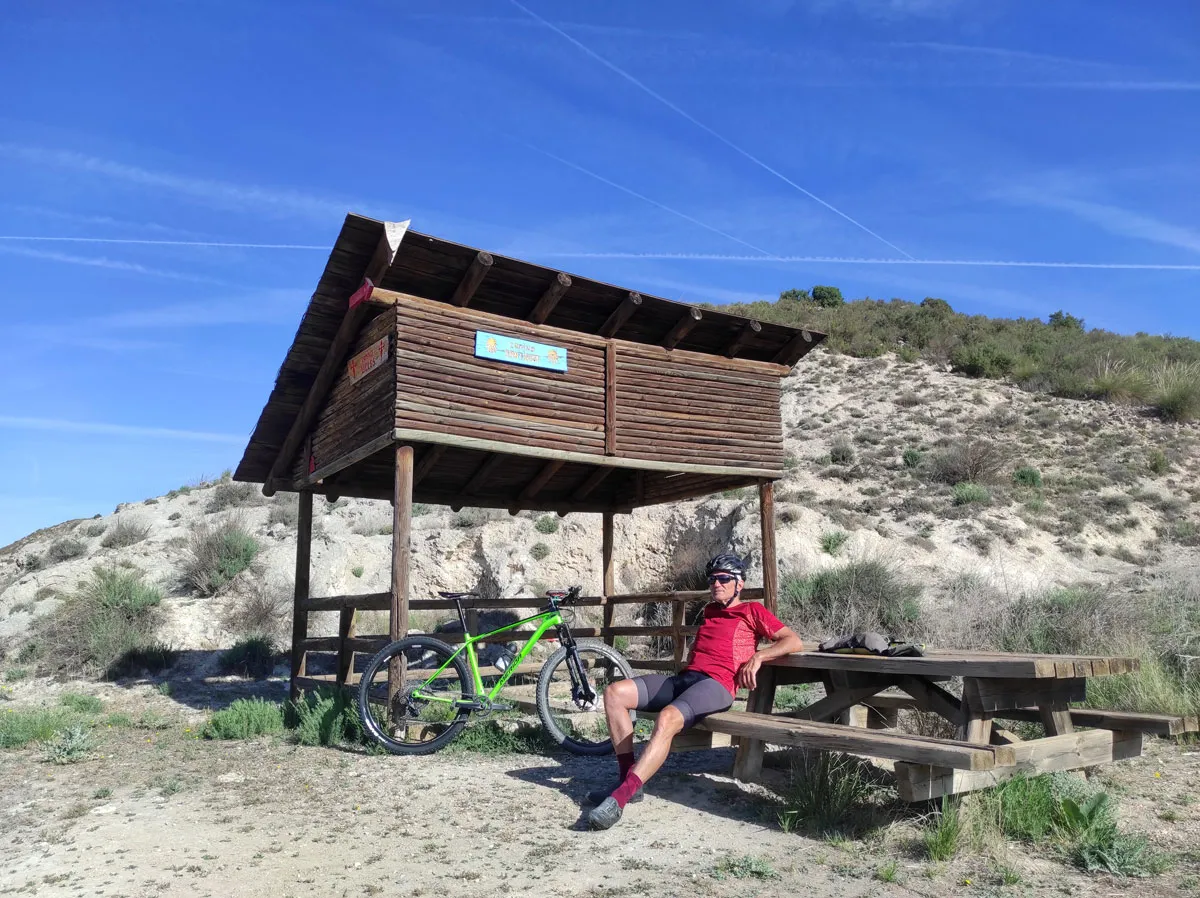
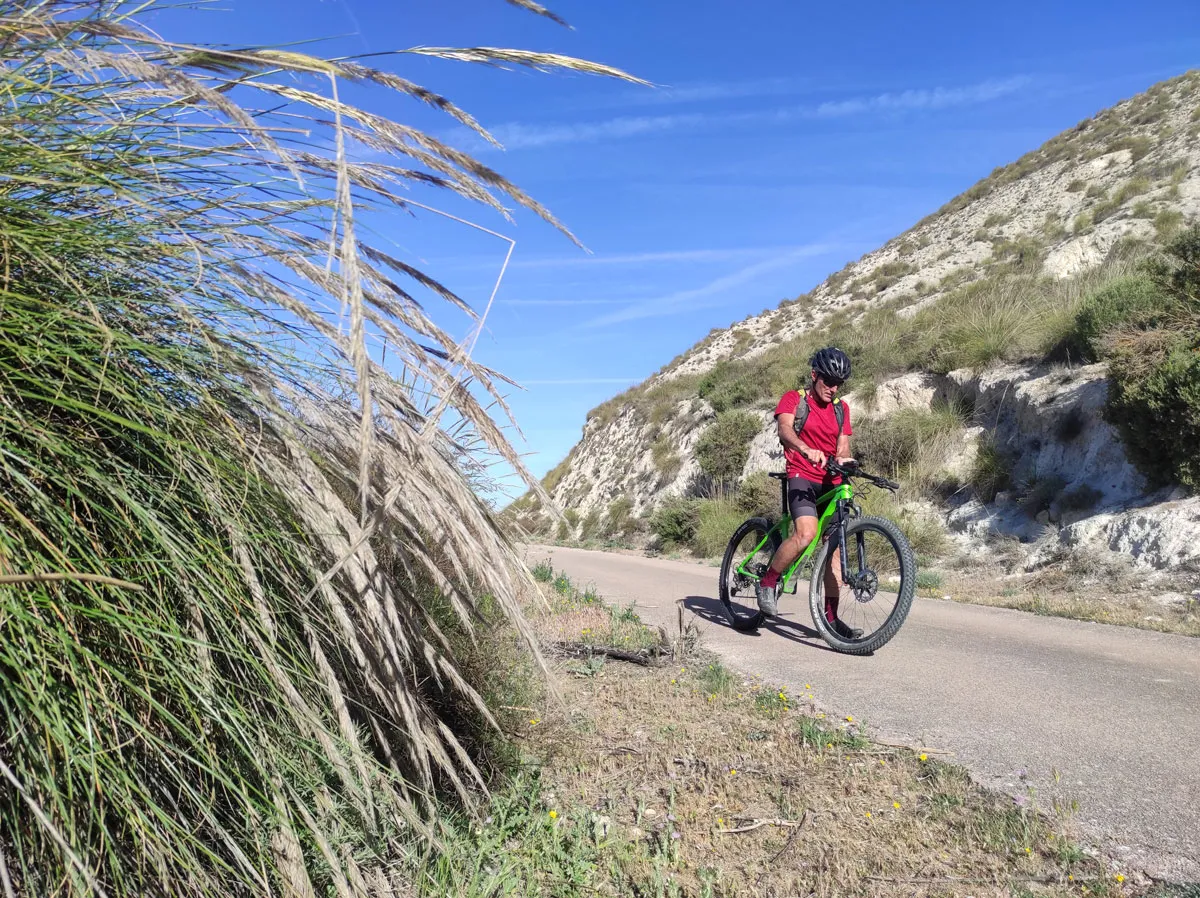
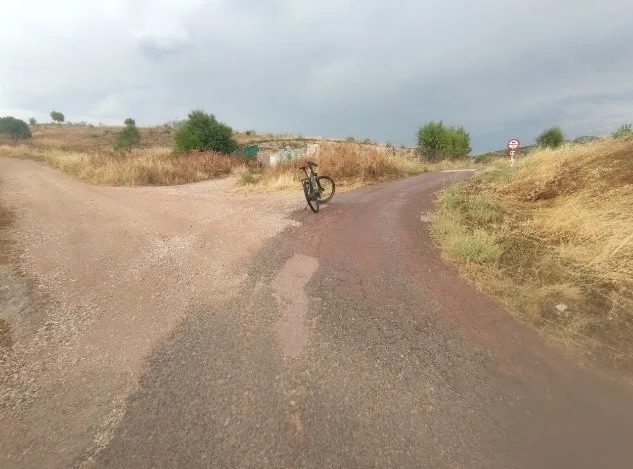
Easy The route leaves the surroundings of the medieval bridge over the Tajuña River, on the outskirts of Carabaña. At the crossing, there are signs for local cycling tourism routes, the Green Way of Tajuña, and the itinerary of CiclaMadrid. The bike lane of the old military train of the 40 Days departs from the fertile plain of the Tajuña River shortly after and climbs through the railway trenches dug during the construction of the line, in a terrain of steppe hills populated with esparto grass and gleaming gypsum ravines. The contrast between the plain and the moorland is striking. At the quarries of Los Pedernales, a detour to the right crosses the road to Estremera and ascends towards Valdaracete by the hermitage of the Virgin of the Pera (19th century), a panoramic viewpoint of the town.
Valdaracete has always been an agricultural and livestock village with commercial traffic, preserving the Market Square or Coso, which has several facades of traditional Castilian style, and the monumental Renaissance church of San Juan Bautista (16th century). The cycling tourism route departs from Valdaracete via the Camino de Cabeza Blanca and enters an endless sea of olive trees. The hills create a suggestive undulating horizon around the Quiebrahilos Mountain (813 m), the highest point of the municipality and a good natural viewpoint to understand the weight and importance of the olive grove in the life and economy of the moorland populations in Las Vegas de Madrid.
Types of Paths:
Mapa interactivo proporcionado por
Wikiloc open_in_newMoments captured by our community.
Discover unique places to stop and enjoy.
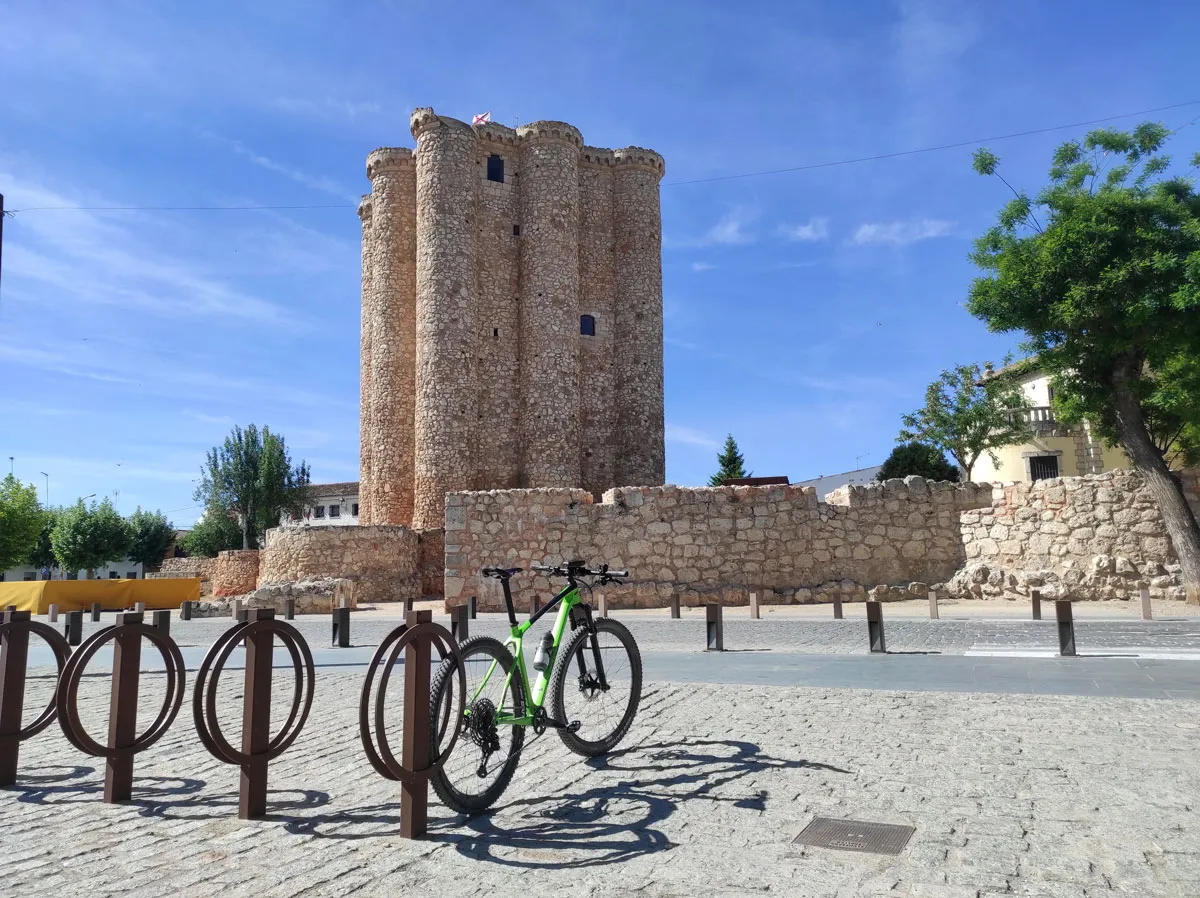
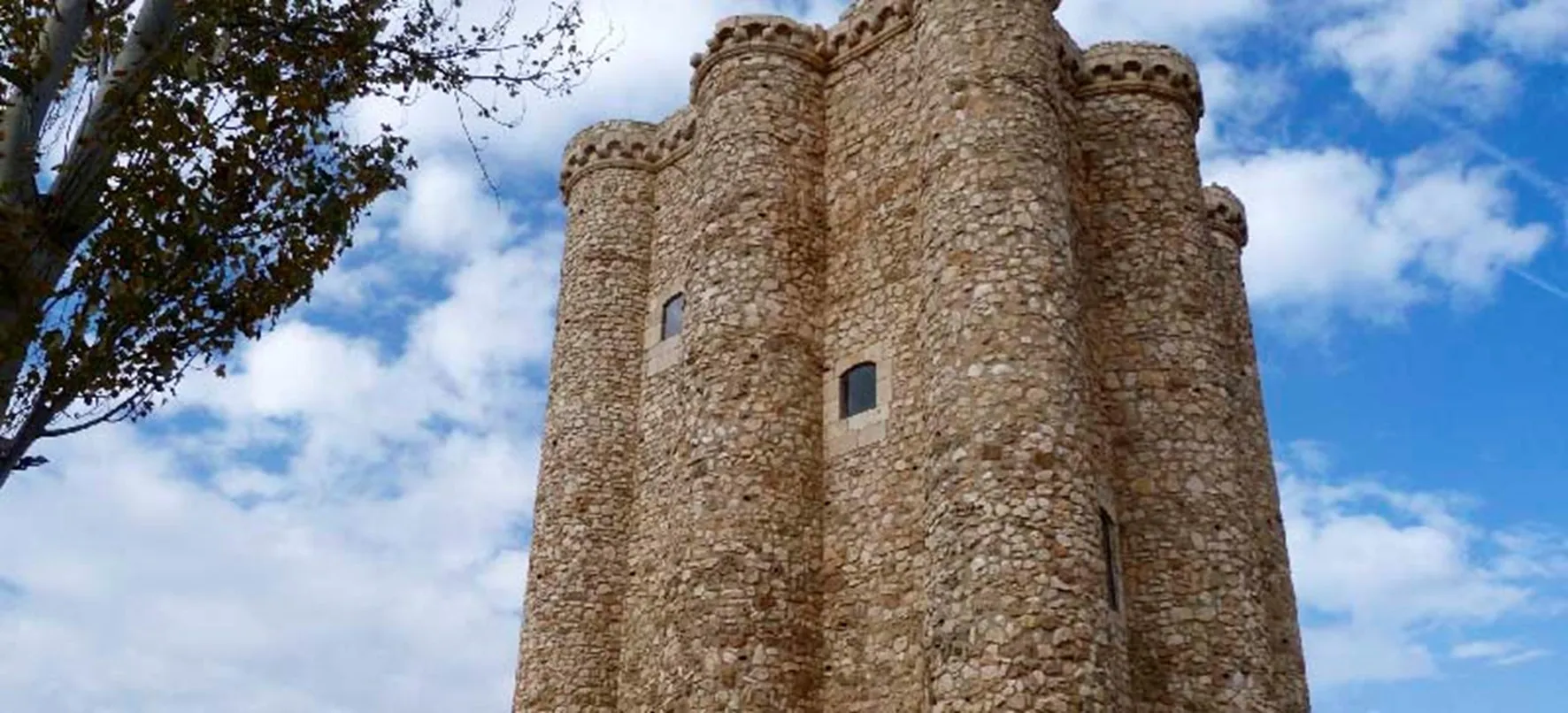 castle Edificio
 Climbing to the top of the Tower of Tribute, one understands the value and historical roots of Villarejo de Salvanés, and why it was chosen by the Order of Santiago as the seat of the Encomienda Mayor of Castile in the 15th century. From up there, a large part of the territory of Castile can be seen. The only passage for friends, enemies, and goods was Villarejo de Salvanés. The Royal Road to Valencia (transformed into the current A-3) passed through here, whose origin dates back to the Roman spartarian road. This was the only passage between the Central Plateau and the southeast of the Iberian Peninsula. Seeing the fields of the Madrid vega at sunset from the heights of the Tower of Tribute is a unique spectacle in the Community of Madrid.
 place Otro
 The Train of 40 Days or Negrín Route was built in record time during the Civil War to supply the republican troops defending the city of Madrid on the Jarama front and other areas of the capital from the peninsular Levante. The railway works were completed in the last weeks of the war and barely served as a supply route for troops and war material for "40 days." At the end of the conflict, the railway fell into decline and was abandoned, leaving a curious milestone in the history of Spanish railways for active tourism uses.