Moderate
Moderate About this route
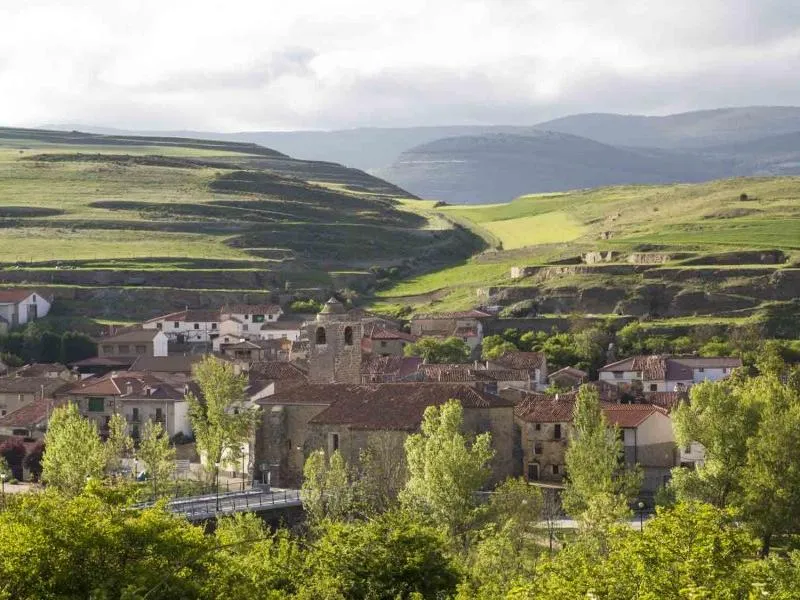
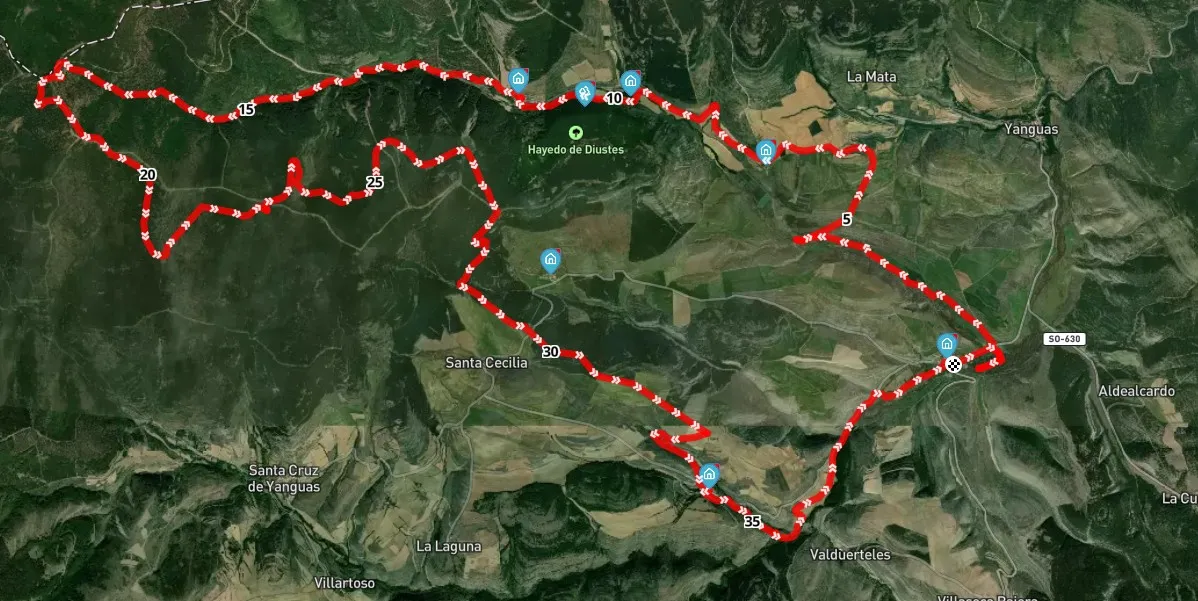
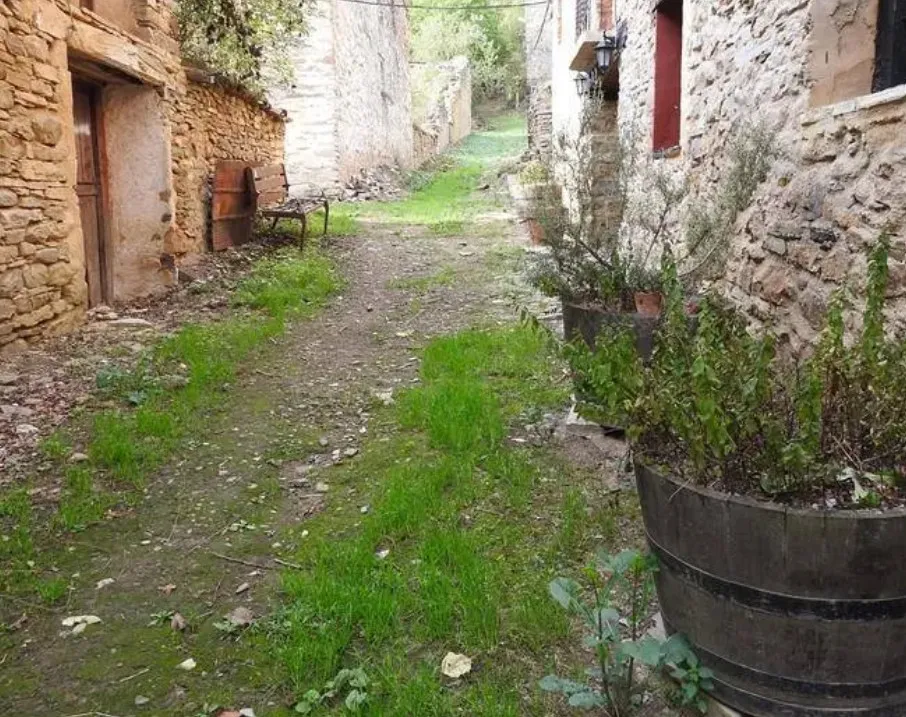
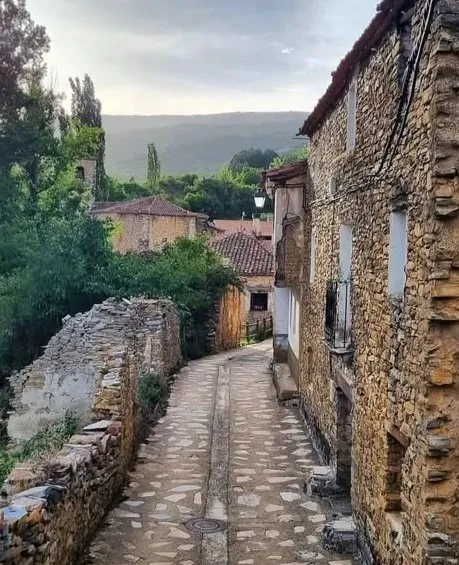
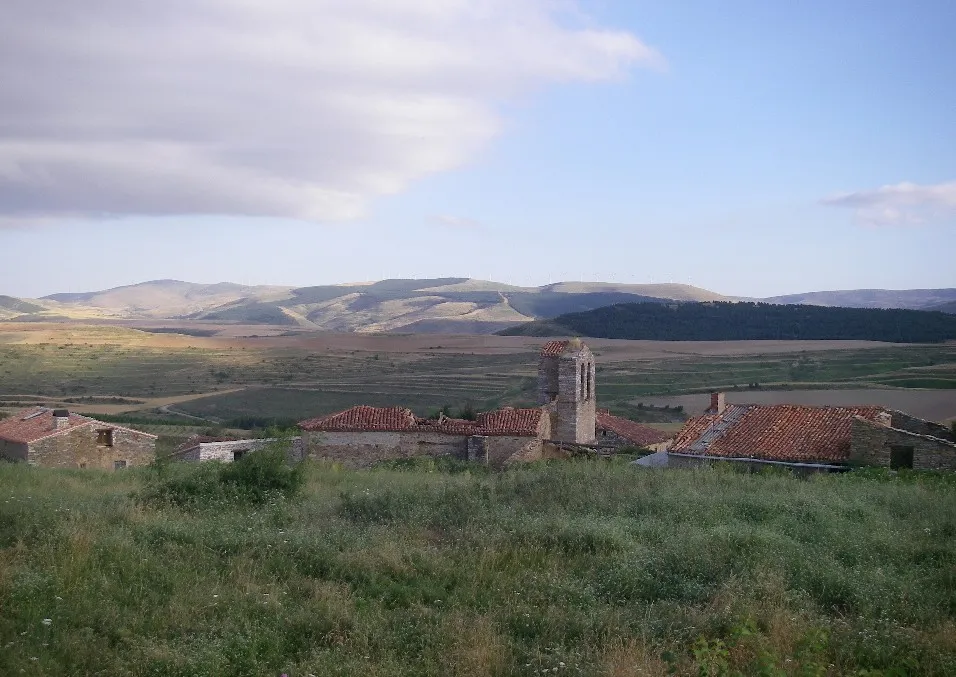
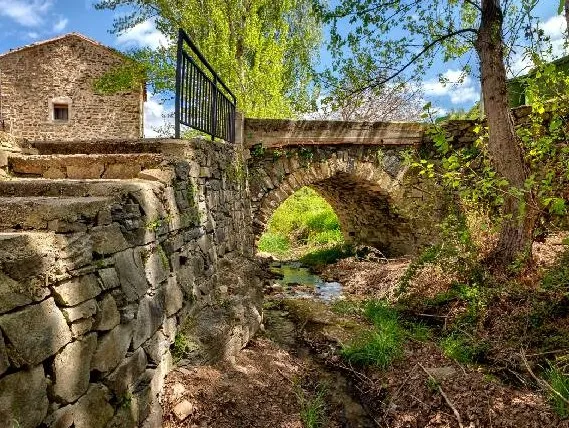
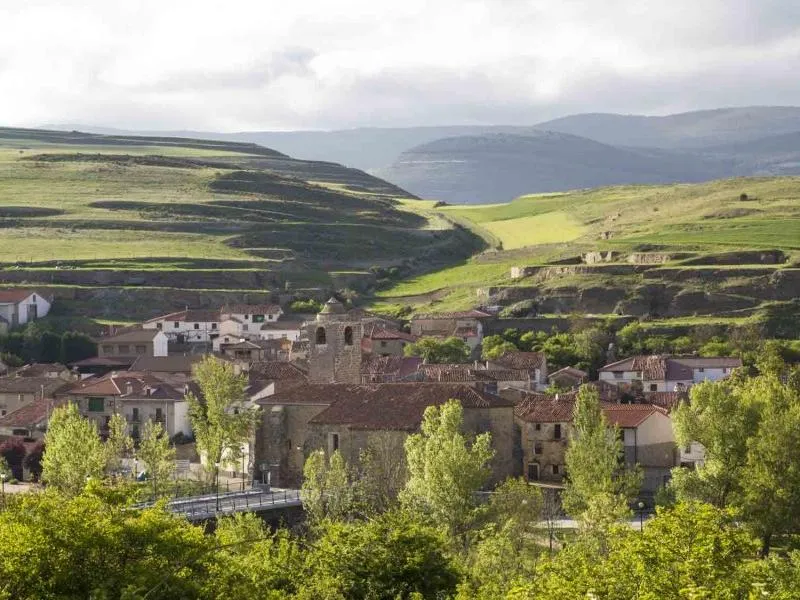
The route mainly travels along tracks and forest roads with some stretches of path and road. It starts from the town of Villar del Río to traverse the valley of the Ostaza River and the Hayedo de Santiago mountain range, passing through several of its small population centers, some of which were depopulated until recently (Diustes, Camporredondo, Vellosillo, and La Cuesta). The stretch from Bretún to Villar del Río stands out for its excellent views.
Types of paths:
- Path: 29.0 km
- Road: 4.81 km
- Narrow path: 2.80 km
- Other ways: 1.76 km
- Street: 383 m

Mapa interactivo proporcionado por
Wikiloc open_in_newRoute gallery
Moments captured by our community.
Points of interest on the route
Discover unique places to stop and enjoy.
place Otro Diustes Beech Forest
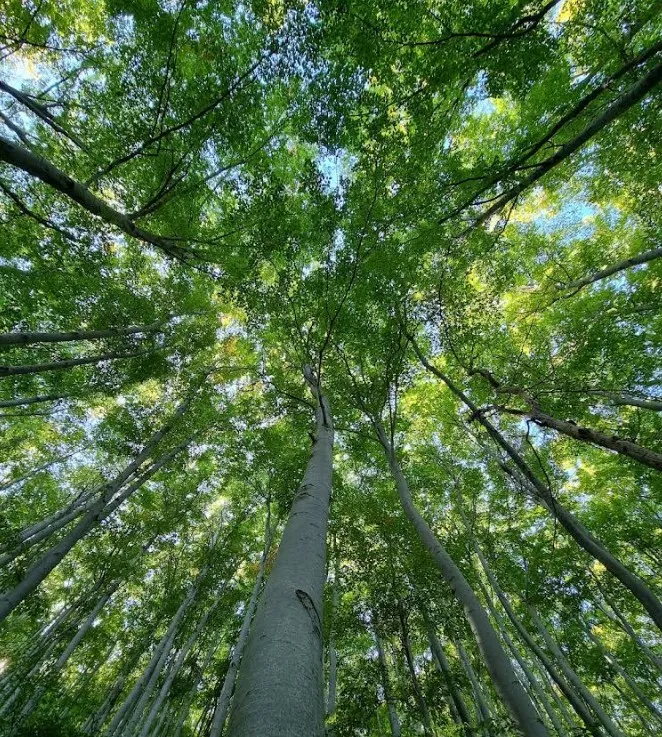
Between Camporredondo and Diustes lies one of the most beautiful beech forests in the province of Soria. Taking advantage of this circumstance, a route has been marked out in which this tree is interpreted, as well as other species associated with its ecosystem.
place Otro Camporredondo
It is located on the banks of the Ostaza River, under the splendid beech forest of Diustes and on the edge of an extensive juniper grove at the foot of the Cerrezuela. Abandoned years ago, several houses have been rebuilt in it.
place Otro Diustes
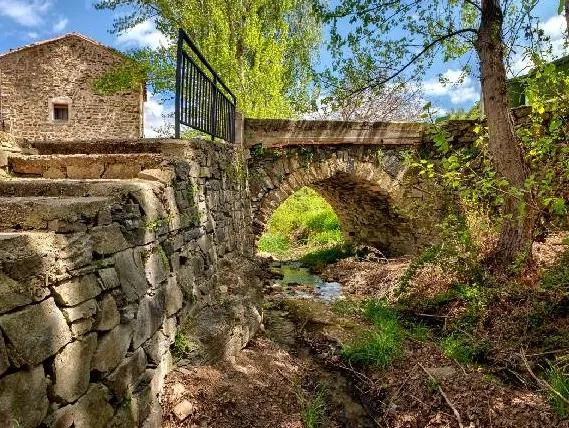
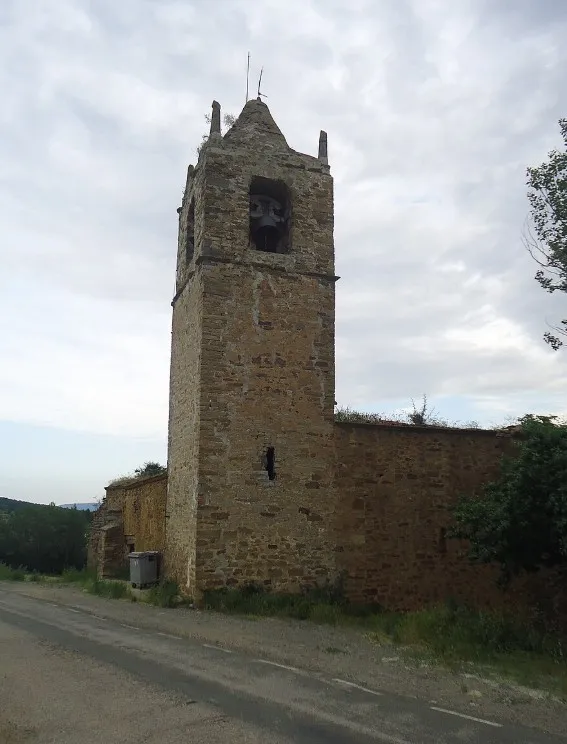
Beautiful set of well-preserved mountain architecture. Crossed in its urban area by the Ostaza rivers and the “Arroyo del Valle” saved by several bridges. Located among lush pine forests and beech woods, among which stands the “hayedo de Diustes” of about 50 hectares; a place of extraordinary beauty and ecological value. The church dedicated to Saints Justus and Pastor stands out, Gothic from the 16th century, whose images were stolen from the parish not many years ago and recovered by the Civil Guard.
place Otro Vellosillo
Located at the gates of the Ostaza River Valley, where the land opens up towards the drylands to the east. Uninhabited until recently, some houses have been rehabilitated and it retains a great charm. The Hermitage of San Sebastián at the entrance has been restored.
place Otro Villar de Maya
It was an important place for transhumance as shown by its heraldic houses. Here was located the richest house of the jurisdiction, that of the Rodrigo Velasco family. In the Diocesan Museum of the Cathedral of Burgo de Osma, the Renaissance altarpiece of the Church of Santo Tomás is preserved, which now threatens ruin. Once the lands were sold to the State Forest Heritage, the village remains practically uninhabited in winter.
place Otro Bretún
It is an excellent set of traditional architecture. The church of San Pedro is located on high ground. Recently restored, it retains curious Aztec motifs, unique in the province, brought by an emigrant. Built of small stone blocks with a single nave, it has a Gothic apse from the 16th century, while the rest was remodeled in the 18th century. It had two hermitages: the one of Santo Cristo, in ruins, and the one of Santa Cristina, of large dimensions and rectangular plan. It has a large number of ichnites both in the surroundings and in the urban area itself. Among the sites of footprints, the Matecasa stands out, at the entrance of the village, the Corral de la Peña, the Frontal, and Fuente Lacorte. Currently, it also has an incredible and eclectic art collection, that of the Vicente Marín Foundation, which can be visited.
place Otro Villar del Río
Dynamic locality strategically located at a crossroads of communications between the valleys of Cidacos and Baos. It is the epicenter of paleontology in Highlands, with a magnificent Paleontological Classroom whose aim is to showcase the significance of the ichnite sites in the region, a resource of worldwide importance in the knowledge of dinosaurs and other Cretaceous reptiles. In addition to the village, which preserves interesting examples of mountain architecture, the church of Our Lady of the Vado stands out, Gothic from the 16th century, built with slate rubble and buttressed with ashlar. It has a single nave, transept, and octagonal apse. Inside, an important Renaissance altarpiece and a Romanesque sculpture from the 13th century stand out. Its traditions are also noteworthy, such as the one celebrated on the night from Saturday to Easter Sunday when the young men of the village place a piece of cloth in the houses where there is a single girl, which they call "the aleluyas." That same night a "Judas" is made, which is a straw figure that is hung outside the Church of Santa Filomena and set on fire and dragged to the River after the Mass of Glory Sunday. Or the tradition of "singing the peseta" during the festivities of Santa Filomena, going around the houses of the girls, decorating a cut poplar with ribbons and handkerchiefs, with which a procession is held.