Moderate
Moderate About this route
Warning: shared space with motor vehicles.
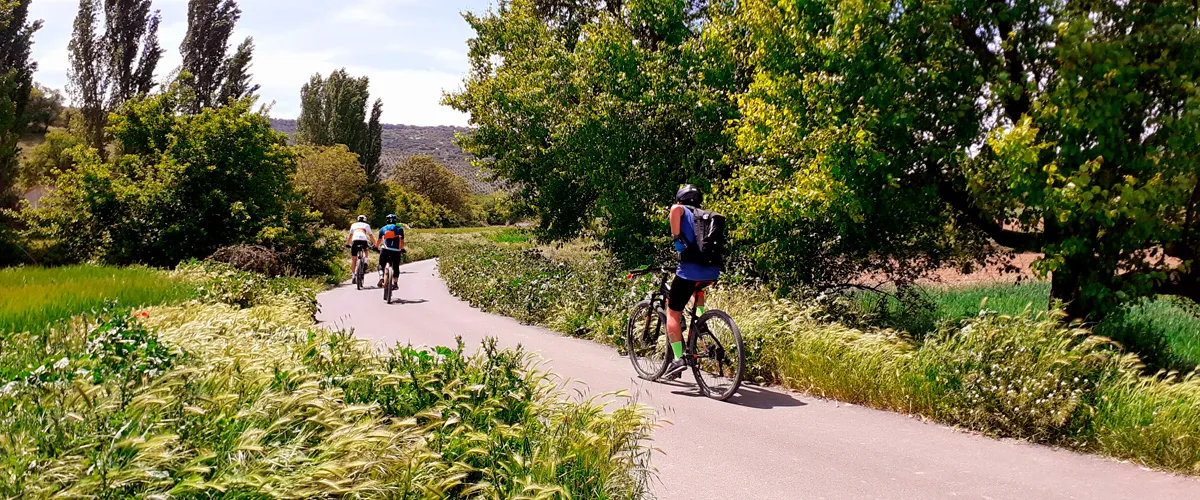
An interesting itinerary starts from the municipal park of Valdilecha, following a pleasant path to the ravine of Casasola from where one can appreciate a majestic panoramic view of the municipality, continuing to descend towards the valley of Tielmes, a town of Roman origin with interesting medieval heritage.
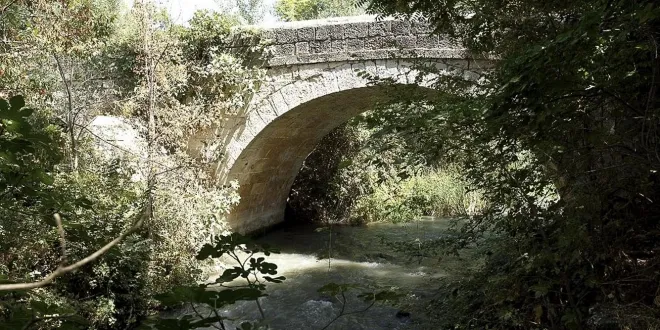
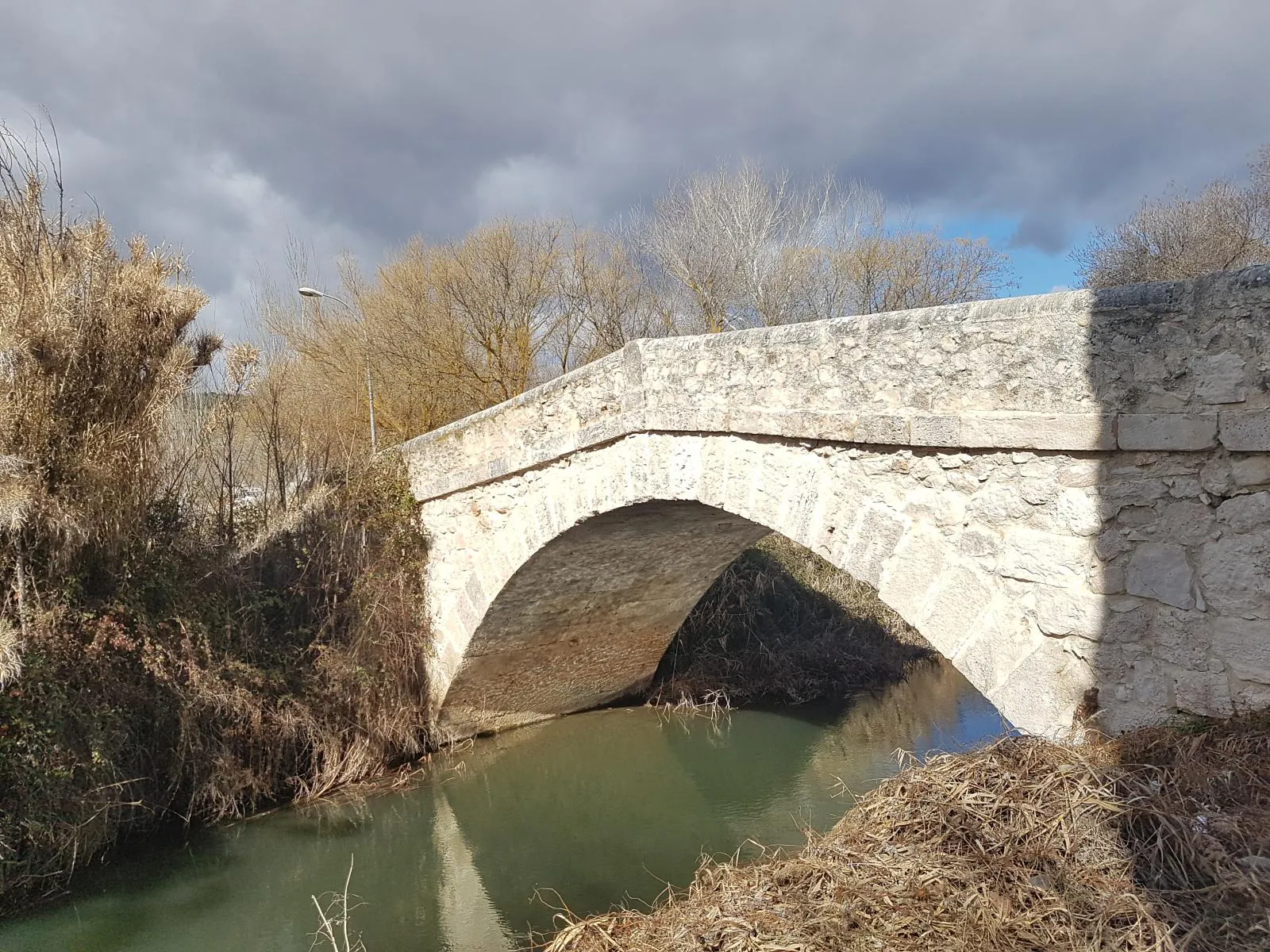
Subsequently, once Tielmes is traversed, one can continue along a section of the Greenway of Tajuña to Carabaña, during the journey the contrast between the meadow and the moorland is striking. Moreover, it is one of the oldest populations in the Community of Madrid and to enter, one must cross the bridge of Tajuña, of Roman origin and reconstructed in the 18th century.
Types of Path
- Trail: 15.7 km
- Bicycle path: 14.1 km
- Street: 2.91 km
- Road: 2.36 km
- National road: 1.75 km
- Other paths: 504 m

Mapa interactivo proporcionado por
Wikiloc open_in_newRoute gallery
Moments captured by our community.
Points of interest on the route
Discover unique places to stop and enjoy.
water_drop Agua Vaciabotas Weir
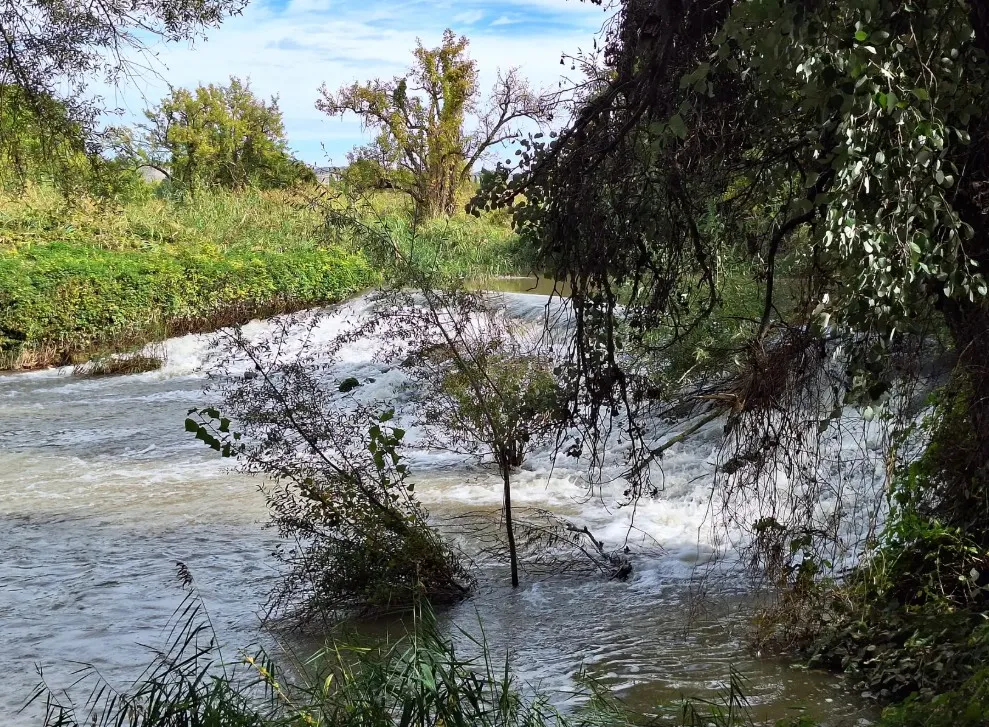
The "azudes" are original from the Arab period, improving on the previous irrigation systems of the Romans. The "great" Muslim river dams allowed for an increase in the flow of the irrigation channels and marked the beginning of extensive agriculture in the Tajuña valley. The Azud de Vaciabotas is known as the "waterfall of Tajuña," it is the water intake of the Caz del Molino of the Tajuña river, it is also known as Azud del Molino because it is next to the old Molino Nuevo or Molino de la Isla, privately owned, documented in the Topographical Relations of Philip II.
place Otro Carabaña Bridge
Carabaña is one of the oldest towns in the Community of Madrid. The cycling route runs along the Greenway of Tajuña through a pleasant tree-lined path with a rest area and passes by the neoclassical bridge over the Tajuña River; numerous sources claim that the river crossing is of Roman origin and has undergone several reconstructions over time. The most significant rehabilitation was in the 18th century with limestone blocks in a setting of elms, giant poplars, and riverside vegetation that forms a true forest wall along the riverbanks.