

Turicleta
Gúdar
Featured Destination

Gúdar

Teruel
Cómo llegar

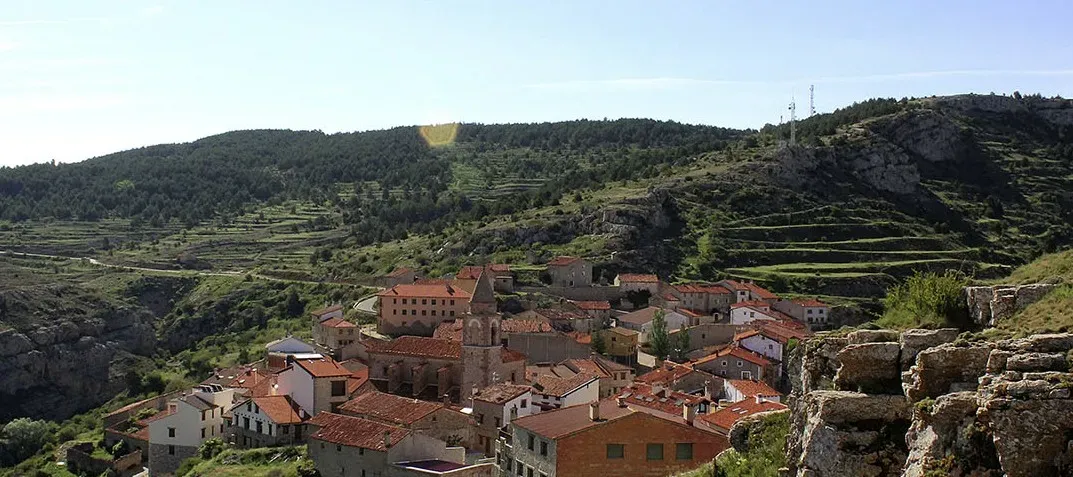
Nestled at the foot of a great rocky hill, the municipality of Gúdar is among the highest villages in Spain, at 1,585 meters above sea level. From its large balcony overlooking the Alfambra Valley, Gúdar, with fewer than 100 inhabitants, gives its name to an entire mountain range—the Sierra de Gúdar—in the Gúdar Javalambre region of Teruel.

1 Cycling Routes
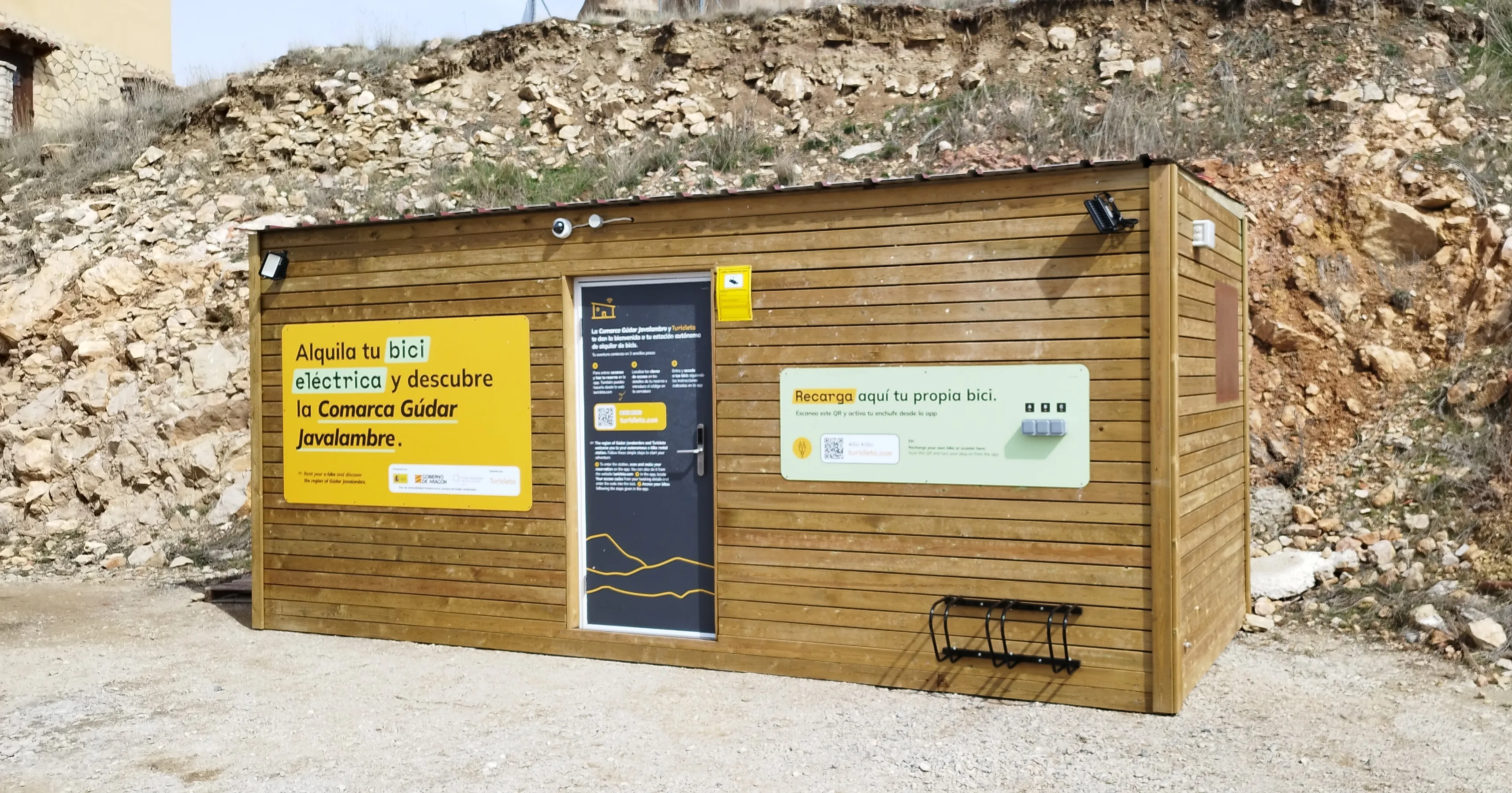
1 station available
Where do you want to rent your bike?

Stations inGúdar

Find electric bike stations available in the city.

View all

Sobre Gúdar

<p><strong>Heritage</strong></p>

In the square of the Church of Santa Bárbara were once located the centers of power and urban life in Gúdar, although its location has not always been this one. Gúdar originally stood atop the Peña Magdalena. Possibly at the end of the Middle Ages, the first suburbs and houses began to appear.

Along the ascent, one would find the first gateway to “Medieval Gúdar.” These rocky layers would have served as the wall or palisade protecting the settlement. The rear of the houses stood on the edge of this rocky outcrop. Beyond this first defensive line, on the left side, some of the village houses began to appear.

The most important defensive structures were those of the Castle—strategically located on an isolated rock with a moat, later used as a quarry to build houses and other structures.The castle was of Islamic origin and later became Christian. Its stones were reused for the construction of the current village.

The Church is built on the remains of the old cemetery. It is a single-nave church, currently smaller than the original. This is evident from the walled-up archway at the entrance, on the left side, now occupied by the cemetery. Clearly, as was the case in many other places, the church was one of the last elements to be moved downhill. The present church dates from the 18th century, so religious services were probably held in the original location until its construction.

Gúdar’s importance during the Islamic and early Christian periods was likely due to its location near an important route crossing the Sierra, which had two branches.

<p><strong>Festivities</strong></p>

Feast of Saint John the BaptistJune 24

Patron saint festivities featuring the “enramada,” where single men place poplar branches at the doors of single women before dawn, as a symbol of love.

Friendship FestivalLate August

Held for over 35 years. The celebration begins with a rocket launch, followed by cooking, costume, and card game contests. A giant bonfire is lit on Saturday to roast lamb, later shared as sandwiches. Traditional bull events and dance follow, as well as a “morra” competition. The last day of the festivities features a communal meal.

Pilgrimage of Santa Quiteria – May 22

Held at the hermitage in the Las Motorritas valley. Formerly celebrated by the “masoveros” (farmsteaders), it is no longer observed today.

Bonfires

Five traditional bonfires are celebrated:

  • Santa Bárbara – December 4
  • Santa Lucía – December 13
  • San Antonio – January 17
  • San Blas – February 2
  • Santa Águeda – February 5

<p><strong>Gastronomy</strong></p>

Garlic soup.

Chickpea stew with snout and chorizo.

Bread and garlic omelette.

Migas with pork cracklings.

Suckling pig.

Kid goat.

Roast lamb.

Pickled quail.

Sautéed mushrooms.

Preserved pork products.

Curd.

Fritters.