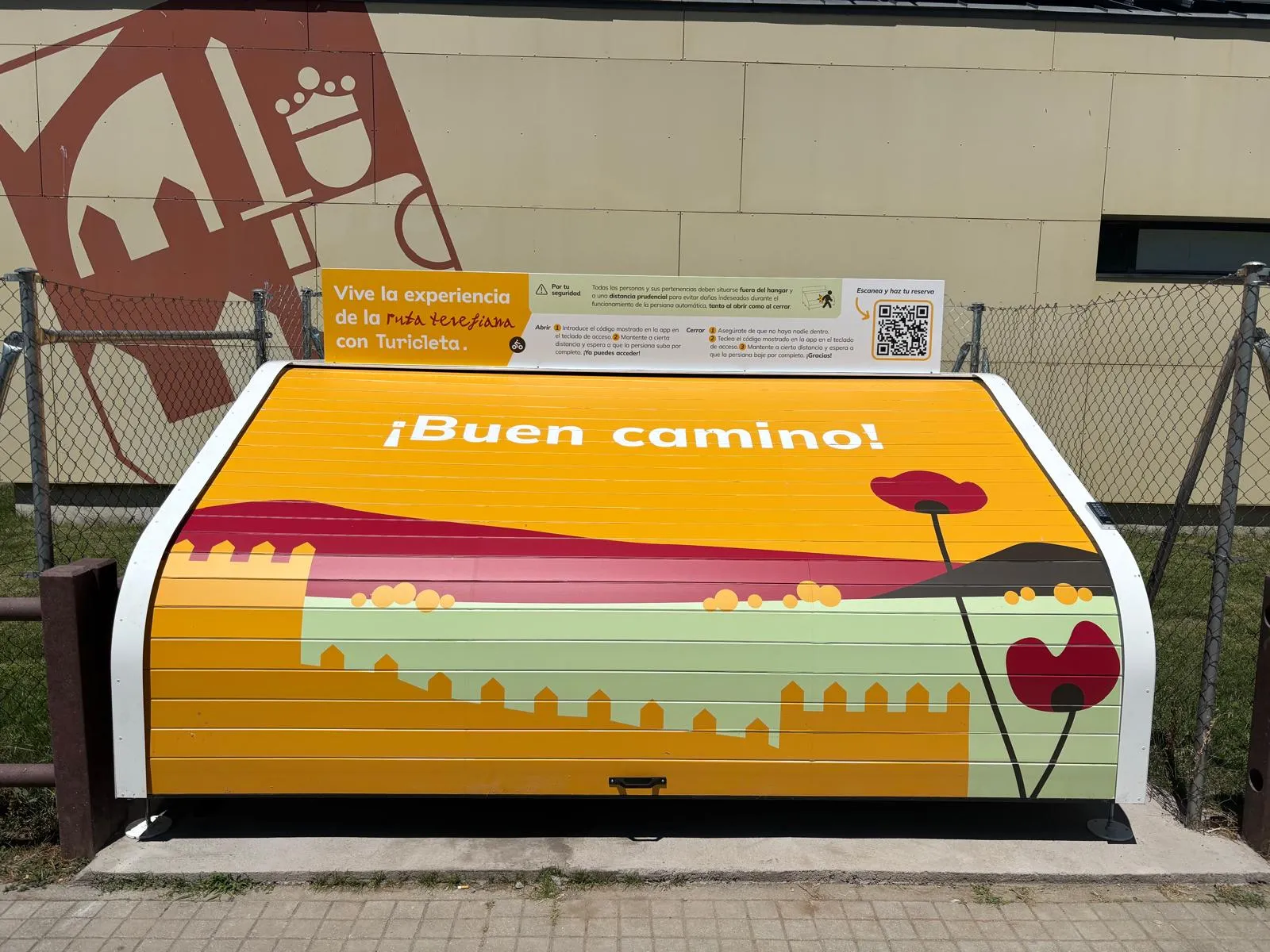
Turicleta
Ávila
Featured Destination

Ávila

Ávila
Cómo llegar

Ávila amazes from the very first glance with its impressive medieval wall, one of the best-preserved walled enclosures in the world and declared a World Heritage Site.

2 Cycling Routes
1 station available
Where do you want to rent your bike?

Stations inÁvila

Find electric bike stations available in the city.

View all

Sobre Ávila

<p><strong>Heritage</strong></p>

  • Walls of Ávila: 11th-century medieval fortification, fully preserved and the symbol of the city. It surrounds the historic centre with more than 80 towers and monumental gates.
  • Cathedral of the Saviour: The first Gothic cathedral in Spain, with a fortress-like appearance and an imposing apse integrated into the wall. A blend of Romanesque and Gothic.
  • Basilica of San Vicente: A masterpiece of Castilian Romanesque architecture, built in reddish stone. Notable for its crypt, sculptures and elegant portals.
  • Convent and Museum of Saint Teresa: Built over the saint’s birthplace. Spiritual space and museum covering her life and reforming work.
  • Royal Monastery of Santo Tomás: Gothic-Isabelline complex with three cloisters and a magnificent altarpiece. It was the pantheon of the Catholic Monarchs.
  • Palace of the Dávila Family: One of the best-preserved noble palaces. Its defensive doorway and inner courtyard reflect the power of Ávila’s nobility.
  • Palace of the Velada Family: Renaissance building transformed into a historic hotel. It preserves a beautiful porticoed courtyard and noble façade.
  • Church of San Pedro: Romanesque temple opposite one of the wall gates. Recognised for its rose window and sober Castilian architecture.
  • Church of San Juan Bautista: Temple where Saint Teresa was baptised. Combines Romanesque, Gothic and Baroque elements.
  • Cuatro Postes Viewpoint: Classic hermitage and viewpoint on the outskirts, offering the best panoramic view of the walls at sunset.
  • Monastery of the Incarnation: The place where Saint Teresa lived for over 20 years. Preserves cells, relics and spiritually valuable spaces.
  • Guzmanes Tower: Former noble fortress, today the seat of the Provincial Council. Representative of Ávila’s military noble architecture.

<p><strong>Festivities</strong></p>

  • Holy Week of Ávila — March/April: Declared of International Tourist Interest. Sober, monumental processions set against the background of the walls.
  • Pilgrimage of the Virgin of Sonsoles — May: Popular pilgrimage to the sanctuary of Sonsoles, patron saint of Ávila. Festive and devotional atmosphere.
  • Festivities of San Segundo — 2 May: Patron saint of Ávila. Procession, solemn mass and cultural activities.
  • Saint Teresa’s Day — 15 October: Celebration honouring the saint from Ávila. Religious acts, cultural events and special visits to her convents.
  • Teresian Week — First half of October: Historical reenactments, music, markets and activities related to the life of Saint Teresa.
  • Medieval Days / Medieval Market “Ávila of the Knights” — First weekend of September: The city returns to the Middle Ages with markets, shows and festive atmosphere inside the walls.
  • Saint Anne Festivities — Late July: Traditional festivities with concerts, tournaments, children’s activities and open-air dances.
  • Saint John Festivities — 24 June: Religious acts and outdoor activities coinciding with the solstice.
  • Saint Vincent Feast — 22 January: Celebration honouring Saint Vincent, patron of the Romanesque basilica. Solemn mass and popular tradition.

<p><strong>Gastronomy</strong></p>

Ávila’s gastronomy is simple, hearty and deeply Castilian, based on quality products and traditional recipes passed down through generations.

Most notable dishes and products

  • Ávila T-bone steak (Chuletón): The city’s gastronomic emblem: tender and flavourful Avileña beef served in generous cuts.
  • Beans from El Barco de Ávila: PGI-protected legume, large and creamy. Prepared in slow stews and one of the region’s signature dishes.
  • Patatas revolconas: Mashed potatoes with paprika and crispy pork cracklings. Humble but delicious dish.
  • Yemas of Saint Teresa: Traditional sweet made from egg yolk and sugar. A confectionery icon of Ávila.
  • Roast suckling pig: Tender and crispy pork, typical of celebrations and traditional restaurants.
  • Castilian soups: Bread, garlic and paprika soup, comforting and very popular in inland cuisine.
  • Torreznos: Fried pork belly until very crispy. Essential bar and tavern appetizer.